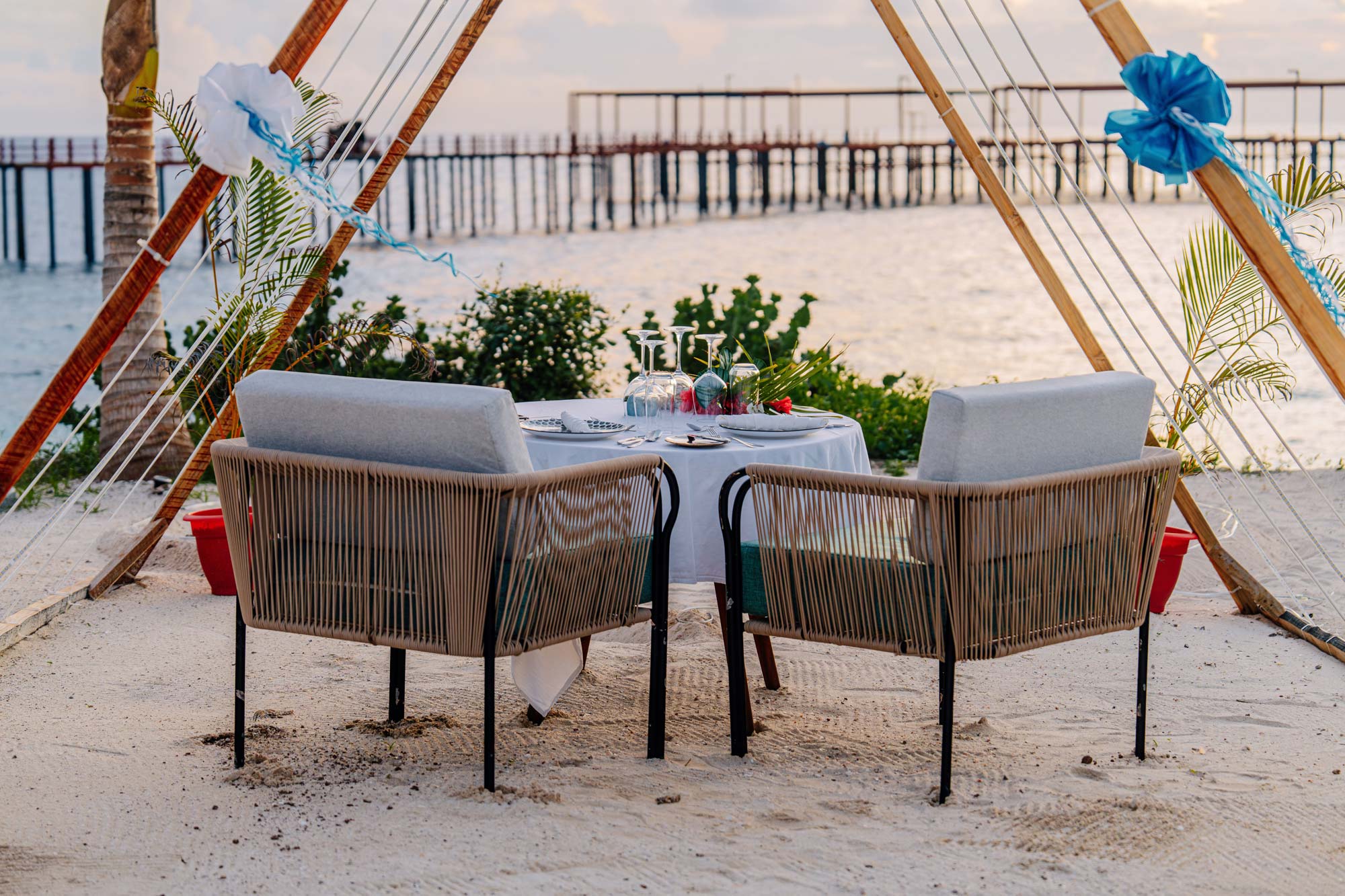
ZANZIBAR ISLAND

Discover turquoise waters, white sand beaches, rich island culture, and unforgettable moments in the heart of the Indian Ocean.

Zanzibar Island Overview

Zanzibar Island is one of Africa’s most enchanting tropical destinations, celebrated for its pristine white sand beaches, turquoise waters, rich cultural heritage, and fascinating history. Located in the Indian Ocean, approximately 35 kilometers (22 miles) off the coast of mainland Tanzania, Zanzibar is an archipelago where tropical landscapes meet centuries of cultural exchange. The island’s identity has been shaped by African, Arab, Persian, Indian, and European influences, creating a destination with distinctive architecture, cuisine, music, traditions, and hospitality.

The Zanzibar Archipelago consists of several islands, with Unguja, commonly referred to as Zanzibar Island, being the largest and most visited. Pemba Island is known for its quieter atmosphere, fertile spice plantations, and excellent diving, while smaller islands and sandbanks offer secluded beaches and marine excursions. Together, these islands form a semi autonomous part of the United Republic of Tanzania. Whether visitors are seeking a peaceful beach holiday, a cultural journey through historic streets, a romantic honeymoon, world class diving, or unforgettable marine adventures, Zanzibar offers a wide range of experiences.

Location of Zanzibar Island

Zanzibar Island lies in the warm waters of the Indian Ocean, east of mainland Tanzania. The island covers approximately 1,666 square kilometers (643 square miles) and has a varied landscape that includes palm fringed beaches, coral reefs, mangrove forests, tropical gardens, small fishing villages, agricultural communities, and fertile inland areas. Its coastal environment is strongly influenced by the Indian Ocean tides, which shape daily life, fishing activities, beach walks, and water based excursions.


The island’s coastline features a variety of beaches, each offering a different atmosphere and range of activities. The northern beaches are known for relatively calm waters, beautiful sunsets, and excellent swimming conditions throughout much of the year. The eastern coast is famous for long stretches of powdery white sand, shallow lagoons, coral reefs, and dramatic tidal changes that reveal wide areas of sand and sea grass at low tide. The southern coast offers quieter beaches, traditional fishing communities, and excellent marine life, while the western side is home to historic Stone Town, the main harbor, and several nearby islands.

Why Visit Zanzibar Island?

Zanzibar offers a perfect combination of relaxation, adventure, history, and culture. Visitors can spend their days exploring ancient streets in Stone Town, snorkeling among coral reefs, relaxing on white-sand beaches, discovering tropical forests, or learning about the island’s famous spice plantations. The variety of experiences allows travelers to create a holiday that is peaceful, active, educational, romantic, or culturally immersive.

Its warm hospitality, stunning scenery, rich history, and world class marine experiences make Zanzibar one of the most popular island destinations in the Indian Ocean. The island is also easy to combine with a mainland Tanzania safari, allowing travelers to experience both the excitement of wildlife viewing and the calm beauty of the coast.

Zanzibar is particularly appealing to travelers who want more than a traditional beach resort. A visit can include conversations with local communities, visits to historic landmarks, traditional sailing, forest walks, cooking experiences, marine conservation activities, and time spent enjoying the natural rhythm of island life.

History of Zanzibar

Zanzibar has a rich history that spans more than a thousand years. Its strategic position along the Indian Ocean trade routes made it an important meeting point for merchants, sailors, explorers, and settlers traveling between the African coast, the Arabian Peninsula, Persia, India, and Asia. Seasonal monsoon winds allowed sailing vessels to travel across the ocean, helping Zanzibar develop into a major center of trade and cultural exchange.

Over the centuries, traders brought spices, textiles, ceramics, jewelry, dates, and other goods to Zanzibar, while the island exported cloves, ivory, timber, coconuts, and other products. Arab, Persian, Portuguese, and later British influences shaped the island’s architecture, language, religion, political history, and traditions. Zanzibar also has a difficult history connected to the slave trade, and several historic sites preserve memories of this period for educational and cultural reflection.


One of Zanzibar’s most significant historical areas is Stone Town, a UNESCO World Heritage Site known for its narrow streets, carved wooden doors, coral stone buildings, bustling markets, and historic landmarks. The town’s architecture reflects the island’s multicultural past, with Swahili homes, Arab mansions, Indian merchant houses, mosques, churches, and colonial buildings standing close together. Today, Stone Town remains the cultural and historical heart of Zanzibar.

Stone Town

Stone Town is one of East Africa’s most important historic cities and serves as Zanzibar’s cultural center. Its maze-like streets were designed long before modern vehicles, making walking the best way to appreciate the town’s atmosphere, architecture, and daily life. Visitors can discover hidden courtyards, small shops, historic residences, colorful markets, and waterfront viewpoints while learning about the island’s past from local guides.

Visitors can explore:

  • Historic mosques
  • Old Arab houses
  • Traditional carved wooden doors
  • Local markets
  • Museums
  • Art galleries
  • Historic forts
  • Waterfront promenades
  • Small cafés and restaurants
  • Souvenir and craft shops
  • Former sultanate buildings
  • Historic churches and cathedrals
  • Cultural centers
  • Local food stalls

The town’s unique atmosphere reflects the blending of African, Arab, Persian, Indian, and European cultures that have shaped Zanzibar over many centuries. A guided walking tour can provide deeper insight into the meaning of the carved doors, the history of the sultanate, the importance of the harbor, and the role of Zanzibar in Indian Ocean trade. Visitors should also allow time to explore the evening food market, where local vendors serve grilled seafood, spiced dishes, fresh juices, and the famous Zanzibar pizza.

Beautiful Beaches found in Zanzibar

Zanzibar is internationally famous for its spectacular beaches, which feature soft white coral sand, swaying coconut palms, warm water, and crystal-clear turquoise lagoons. Many beaches are surrounded by coral reefs that protect the shoreline and create calm, shallow areas suitable for swimming, snorkeling, and family activities. The combination of bright sand, tropical vegetation, and changing ocean colors makes the island especially popular with photographers and honeymoon travelers.

Popular beach areas include:

  • Nungwi
  • Kendwa
  • Paje
  • Jambiani
  • Matemwe
  • Kiwengwa
  • Bwejuu
  • Michamvi
  • Pongwe
  • Uroa

Each beach has its own character. Nungwi is known for its lively atmosphere, boatbuilding traditions, diving centers, and beautiful sunsets. Kendwa offers wide sandy beaches and relatively limited tidal changes, making it convenient for swimming. Paje is a major center for kitesurfing, while Jambiani provides a more relaxed setting with fishing villages and local seaweed farming. Matemwe and the northeastern coast are popular for snorkeling and excursions to Mnemba Atoll, while Michamvi and Pongwe are often chosen by travelers seeking privacy and peaceful scenery.

The island’s warm tropical climate allows visitors to enjoy beach activities throughout much of the year. 

Experiences in Zanzibar Island

Marine Life and Coral Reefs

Zanzibar is surrounded by vibrant coral reefs that support an incredible diversity of marine life. These reefs provide shelter and feeding grounds for fish, turtles, mollusks, crustaceans, and many other ocean species. Shallow lagoons are especially suitable for snorkeling, while deeper reef walls and channels attract experienced scuba divers looking for larger marine animals and more dramatic underwater scenery.

Visitors may encounter:

  • Colorful reef fish
  • Green sea turtles
  • Hawksbill turtles
  • Dolphins
  • Octopuses
  • Seahorses
  • Moray eels
  • Starfish
  • Rays
  • Reef sharks, including generally harmless species in many diving areas

Mnemba Atoll

One of Zanzibar’s most famous marine attractions is Mnemba Atoll, located off the island’s northeastern coast. The area is surrounded by clear water, coral gardens, sandy channels, and rich marine habitats. Although access to the private island itself may be restricted, visitors can join authorized boat excursions to explore the surrounding marine conservation area.

This protected marine area is renowned for:

  • Excellent snorkeling
  • Scuba diving
  • Coral reefs
  • Tropical fish
  • Dolphins
  • Crystal clear water
  • Sea turtles
  • Colorful reef walls
  • Peaceful sandbanks

Jozani Forest

Jozani Chwaka Bay National Park is Zanzibar’s only national park and protects one of the island’s last remaining indigenous forests. The park contains a mixture of mature woodland, lowland forest, wetland, and mangrove habitats, making it an important refuge for wildlife and a valuable natural area for research and environmental education.

The forest is home to numerous plant and animal species, including the endangered Zanzibar red colobus monkey, a primate found nowhere else in the world. These monkeys are known for their reddish-brown backs, white markings, expressive faces, and social behavior. Visitors may see them moving through the trees, feeding on leaves, or resting in family groups, although sightings are never guaranteed.

Other wildlife includes:

  • Sykes monkeys
  • Bush babies
  • Blue monkeys
  • Small antelope
  • Butterflies
  • Reptiles
  • Numerous bird species
  • Forest insects
  • Small mammals

Spice Farms

Zanzibar is often called the “Spice Island” because of its long history of producing and trading spices. The island’s warm climate, fertile soil, and seasonal rainfall create favorable conditions for growing aromatic plants. Spice farming has played an important role in Zanzibar’s economy and remains a meaningful part of rural life.

Visitors can take guided spice tours where they learn about the cultivation of:

  • Cloves
  • Cinnamon
  • Nutmeg
  • Vanilla
  • Black pepper
  • Cardamom
  • Turmeric
  • Ginger
  • Lemongrass
  • Ylang ylang
  • Coconuts
  • Tropical fruits

Water Sports and Activities in Zanzibar Island
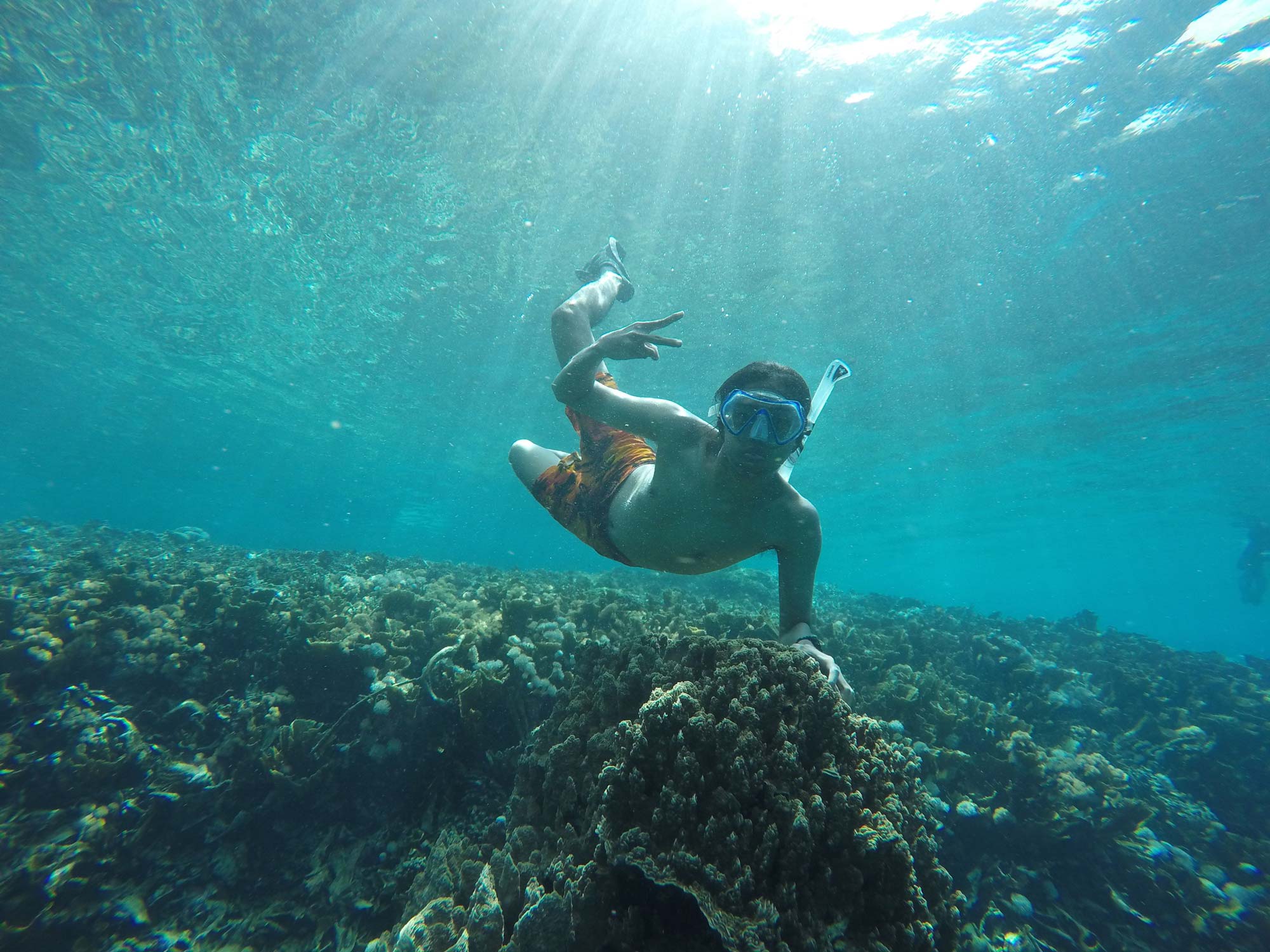
Zanzibar offers numerous activities both on land and at sea. The island’s warm waters, coral reefs, steady seasonal winds, and traditional sailing culture make it an excellent destination for travelers who enjoy active holidays. Activities can be arranged through hotels, licensed tour operators, diving centers, and local community based businesses.

Popular experiences include:

  • Snorkeling
  • Scuba diving
  • Swimming
  • Kitesurfing
  • Paddleboarding
  • Deep sea fishing
  • Sunset dhow cruises
  • Dolphin watching
  • Kayaking
  • Sailing
  • Beach relaxation
  • Photography
  • Sandbank excursions
  • Fishing village visits
  • Reef walks during low tide

Climate

Zanzibar enjoys a warm tropical climate throughout the year, with temperatures influenced by the Indian Ocean and seasonal monsoon winds. Coastal areas are generally warm and humid, while sea breezes can make evenings more comfortable. The hottest conditions usually occur between December and February, although temperatures vary depending on location and daily weather.

General weather includes:

  • Warm temperatures year-round.
  • Long rains from March to May.
  • Short rains during November.
  • Dry season from June to October.
  • Warm and humid conditions from December to February.
  • Seasonal winds that influence sailing and kitesurfing.
  • Occasional heavy showers during the rainy seasons.

Sea temperatures remain comfortable for swimming during most months. Rainfall does not always last all day, particularly during the short rains, but heavy showers can temporarily affect boat trips, road conditions, and outdoor sightseeing. Travelers should remain flexible and carry light rain protection during wetter periods.

Best Time to Visit Zanzibar Island

June to October

This is generally considered the best time to visit because of pleasant temperatures, lower humidity, and excellent conditions for beach holidays, diving, sightseeing, and outdoor excursions. The weather is usually dry and comfortable, making it easier to combine Zanzibar with a wildlife safari in mainland Tanzania. Accommodation and flights can be in high demand during this period, so early booking is recommended.

December to February

Warm sunny weather makes this another popular travel period, particularly for beach vacations, honeymoon trips, and festive-season holidays. The sea is generally inviting, and many visitors enjoy combining swimming, snorkeling, diving, and cultural tours. December and January can be busy, especially around Christmas and New Year, while February is often favored by travelers seeking hot beach weather.

March to May

The long rainy season brings fewer visitors, lush landscapes, and attractive accommodation offers, although heavy rainfall may occasionally affect outdoor activities. Some hotels and tour operators reduce services or close temporarily for maintenance. Travelers who visit during this period should allow flexibility in their schedules and confirm transport and excursion arrangements in advance.

How to Reach Zanzibar

By Air

The island is served by Abeid Amani Karume International Airport, with domestic and international flights connecting Zanzibar to Dar es Salaam, Arusha, Kilimanjaro, Nairobi, Doha, Dubai, Istanbul, and several other destinations. Domestic flights are convenient for travelers combining Zanzibar with a safari in northern or southern Tanzania, while international connections make the island accessible from major regional and global hubs.

After arriving at the airport, visitors can reach Stone Town and the beach areas by taxi, hotel transfer, or pre-arranged private vehicle. Travel times vary depending on the destination, with northern and eastern beaches generally requiring longer transfers than Stone Town.

By Ferry

High-speed ferries operate regularly between Dar es Salaam and Stone Town, providing a convenient option for travelers arriving from mainland Tanzania. The journey usually takes several hours, depending on the vessel and sea conditions. Travelers who are sensitive to motion sickness may prefer a seat in a more stable part of the ferry and should consider carrying appropriate medication.

Ferry tickets should be purchased through official channels, especially during busy periods. Passengers should arrive early for check-in, keep valuables secure, and confirm luggage allowances before departure. Weather and sea conditions can occasionally affect schedules.

Start Planning Your Dream Trip with Us!

Booking form

Everything You Need to Know About Your Safari

Planning Your Safari? Find Your Answers Here

Start Planning Your Dream Trip with Us!

What is Zanzibar Island famous for?

Zanzibar Island is famous for its stunning white sand beaches, crystal clear turquoise waters, historic Stone Town, aromatic spice farms, vibrant Swahili culture, and world class snorkeling and diving. It is also known as the “Spice Island” due to its long history of producing cloves, cinnamon, and other spices.

The best time to visit Zanzibar is during the dry seasons from June to October and December to February. These months offer warm, sunny weather, calm seas, and ideal conditions for beach holidays, snorkeling, scuba diving, sightseeing, and other outdoor activities.

Some of Zanzibar’s most popular attractions include Stone Town, Jozani Chwaka Bay National Park, Mnemba Atoll, the island’s beautiful beaches such as Nungwi, Kendwa, and Paje, as well as guided spice farm tours, traditional dhow cruises, and vibrant local markets.

A stay of 4 to 7 days is ideal for experiencing Zanzibar’s highlights. This allows enough time to relax on the beaches, explore Stone Town, visit a spice farm, enjoy snorkeling or diving, discover Jozani Forest, and take part in marine excursions such as dolphin watching or sunset dhow cruises.

Yes. Zanzibar is one of the most popular beach extensions after a Tanzania safari. Many travelers combine a visit to Serengeti National Park, Ngorongoro Conservation Area, Tarangire National Park, Lake Manyara National Park, or Nyerere National Park with a relaxing stay in Zanzibar, creating a perfect mix of wildlife adventures and tropical island experiences.