GREAT MIGRATION EXPERIENCE

Witness over a million wildebeest and zebra cross the Serengeti in search of fresh grazing. Track predators, river crossings, and calving season across Tanzania’s vast plains.

Tour Overview

Witness one of Africa’s most remarkable wildlife spectacles as millions of wildebeests, zebras, and gazelles move across the vast plains of Tanzania and Kenya in search of fresh grass and water. A Great Migration safari takes you deep into the heart of the Serengeti, where changing seasons shape the movements of enormous herds and create unforgettable encounters with wildlife.


From dramatic river crossings and newborn calves to intense predator encounters and endless golden plains, every stage of the migration offers a different safari experience. Your journey is planned around the seasonal movement of the herds, giving you the opportunity to explore areas where wildlife activity is strongest.


The Great Migration is not a single event that happens on one particular day. It is a continuous natural cycle influenced by rainfall, pasture, water availability, and the movement of the herds. This makes each safari different, with changing landscapes and wildlife encounters throughout the year.

The Great Wildebeest Migration

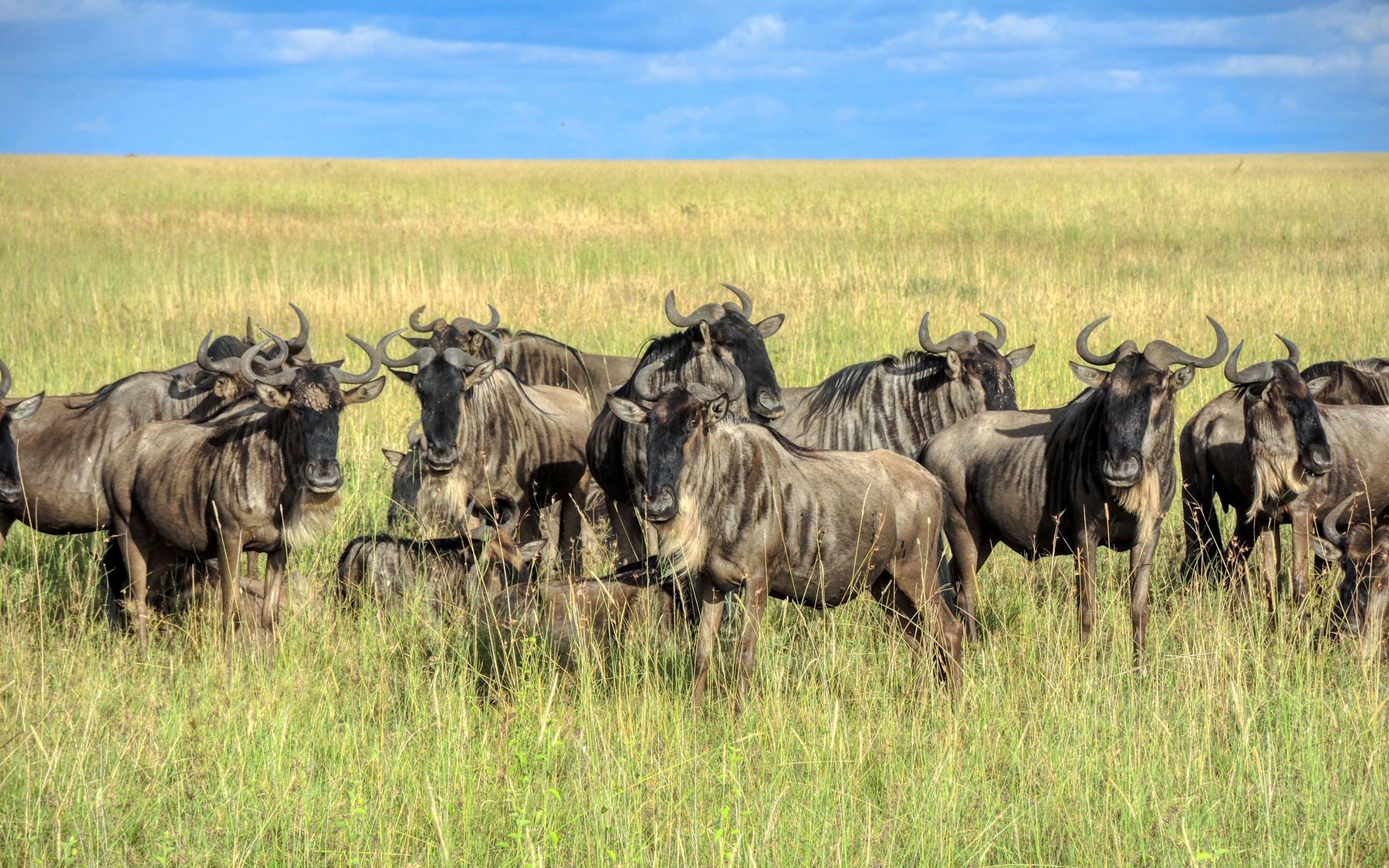
The wildebeest form the largest part of the migrating herds. Their movement across the Serengeti is closely connected to rainfall and the availability of fresh grazing.

Millions of wildebeest travel with large numbers of zebras and gazelles. Together, these animals create spectacular concentrations across the plains.

During your safari, you might see enormous herds stretching across the horizon, animals crossing open grasslands, dust rising from the plains, and predators positioning themselves near the migrating groups.

The scale of the herds is one of the defining features of the experience. From a safari vehicle, the landscape can appear filled with wildlife as far as you can see.

Calving Season in Ndutu

The calving season offers a completely different side of the migration. During the wet-season period, large numbers of wildebeest gather in the southern Serengeti and Ndutu plains, where nutritious grasses provide important food for mothers and their young.

Thousands of calves are born within a relatively short period. The presence of so many young animals also attracts predators such as lions, cheetahs, hyenas, and other carnivores.

This period gives visitors opportunities to observe family groups, newborn calves taking their first steps, and predator activity across the open plains. It is also a rewarding period for wildlife photography because the young animals create many natural scenes of movement and interaction.

The Mara River Crossing

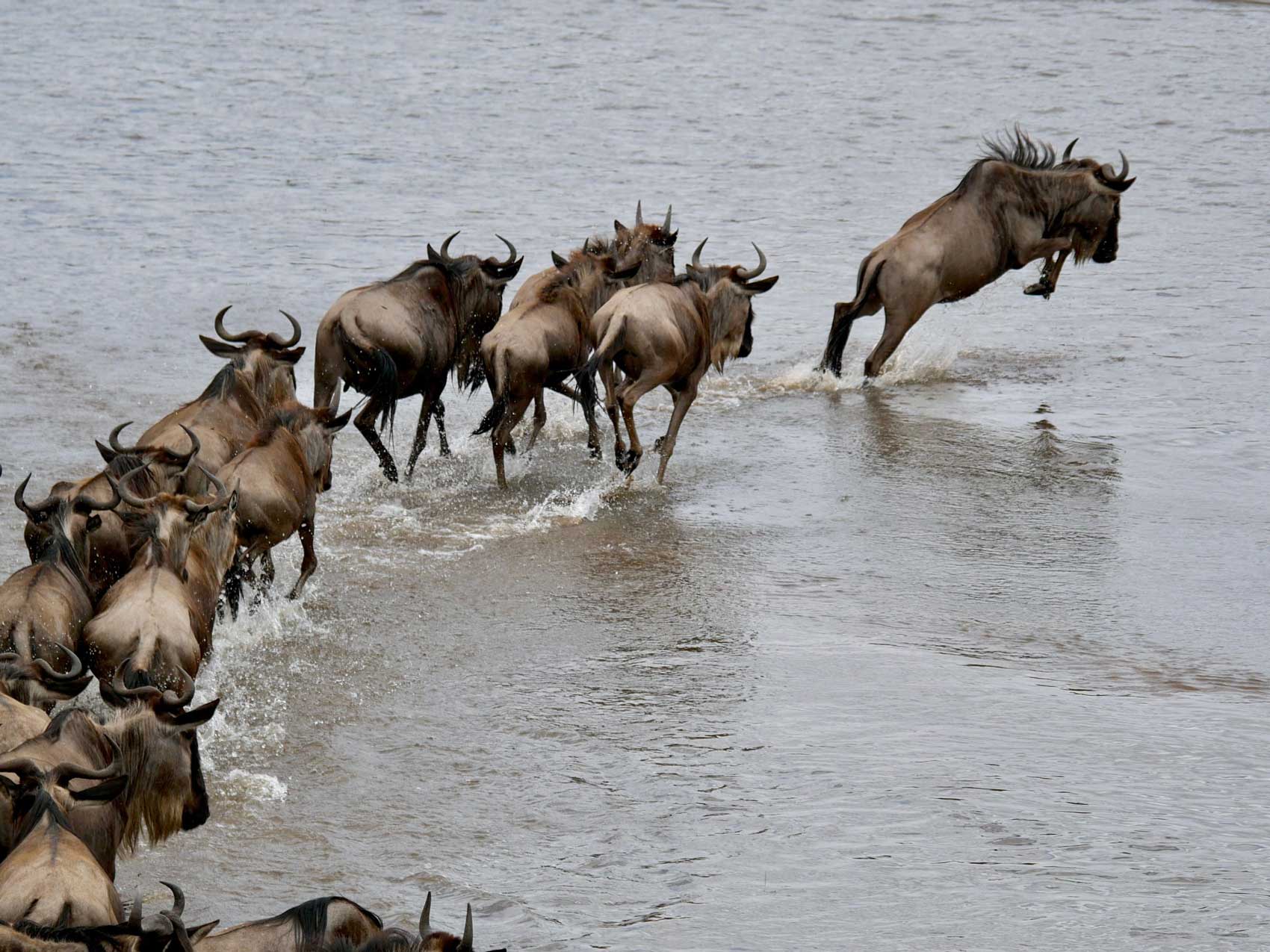
The Mara River crossing is one of the most recognized moments associated with the Great Migration.

As herds move northward, wildebeest and zebras approach river crossings in the northern Serengeti. The animals often gather along the riverbanks before crossing, creating moments of uncertainty and anticipation.

When a crossing begins, hundreds or thousands of animals may enter the water. Strong currents, steep banks, crocodiles, and the movement of other animals make the crossing a challenging part of their journey.

River crossings are natural wildlife events. Their timing and location are unpredictable, so no safari operator can guarantee a crossing on a particular day. The experience often involves patience, careful positioning, and time spent observing animal behavior.

A Safari Guided Around Wildlife Movement
A Great Migration safari requires more than simply visiting the Serengeti during migration season. Wildlife movements change with rainfall and pasture conditions, so route planning plays an important role.

Our safari planning focuses on the expected seasonal location of the herds, recent wildlife sightings, road conditions, your travel dates, and the type of experience you want.

Your professional safari guide monitors wildlife activity and helps position the vehicle in suitable viewing areas. This approach gives you more time to observe animal behavior instead of simply driving between destinations.
Best Time for a Great Migration Safari

There is no single best month for the entire Great Migration because different stages occur in different areas and seasons.

January to March is associated with the southern Serengeti and Ndutu area, where calving activity takes place.

April to May brings seasonal rains across parts of the Serengeti. The landscape becomes greener, and some areas experience fewer visitors.

June to July often brings movement toward the western and northern parts of the Serengeti. Depending on rainfall and pasture conditions, large herds begin moving toward the northern Serengeti.

July to October is associated with the northern Serengeti and Mara River area. River crossings sometimes occur during this period, but their timing remains unpredictable.

November to December brings seasonal rains and renewed grazing in parts of the Serengeti. Herds gradually move toward the southern plains as the migration cycle continues.

These seasonal patterns are guides rather than fixed schedules. Rainfall and pasture conditions influence the actual movement of the animals each year.

Private Great Migration Safari

You travel with your own safari vehicle and professional guide, allowing the itinerary to focus on your interests and the seasonal location of wildlife. You have more freedom to spend additional time at an interesting sighting, adjust the pace of your game drives, and focus on photography or wildlife observation.

For travelers interested in specific migration events, flexible safari planning is especially useful because wildlife does not follow a fixed timetable.


Beyond the Migration

The Serengeti offers excellent wildlife viewing even when large migrating herds are in another part of the ecosystem.

A Great Migration itinerary often includes opportunities to explore areas known for resident wildlife. Lions, elephants, giraffes, buffaloes, leopards, cheetahs, hippos, and numerous bird species live across the ecosystem throughout the year.

Combining the migration experience with other destinations such as the Ngorongoro Conservation Area or Tarangire National Park adds variety to your Tanzania safari and gives you a broader view of the country’s wildlife and landscapes.

Why Choose a Great Migration Safari in Tanzania?

The Great Migration brings together enormous herds, diverse landscapes, predator activity, and changing seasonal conditions in one safari experience.

You experience wildlife at a scale that is difficult to describe until you see it across the Serengeti plains. Every day brings new locations, new animal behavior, and new photographic opportunities.

Whether you want to witness calving season, search for migrating herds in the Serengeti, experience the northern river-crossing period, or explore the wider Serengeti ecosystem, your safari itinerary can be planned around the seasonal cycle.

Great Migration Safari Highlights

• Witness enormous wildebeest herds moving across the Serengeti
• Search for zebras and gazelles traveling with the migration
• Experience the calving season in the Ndutu and southern Serengeti area
• Follow predator activity around migrating herds
• Explore the northern Serengeti during the Mara River season
• Watch wildlife gathering around rivers and water sources
• Enjoy guided game drives across the Serengeti ecosystem
• Capture dramatic wildlife and landscape photographs
• Explore different Serengeti habitats and scenic viewpoints
• Experience Tanzania’s wildlife with a professional private safari guide

Start Planning Your Dream Trip with Us!

Booking form

Everything You Need to Know About Your Safari

Planning Your Safari? Find Your Answers Here

Start Planning Your Dream Trip with Us!

When is the best time to experience the Great Migration?

The ideal travel period depends on which stage of the migration you want to see. January to March is known for calving in the southern Serengeti and Ndutu area. June to October offers opportunities to follow herds in the western and northern Serengeti, with river crossings sometimes occurring between July and October.

The Great Migration moves through the Serengeti ecosystem in Tanzania and the Maasai Mara ecosystem in Kenya. In Tanzania, important areas include the southern Serengeti and Ndutu, central Serengeti, western Serengeti, and northern Serengeti.

River crossings are natural events, so their timing is unpredictable. Herds might gather near a river for hours or days before crossing, or change direction without crossing. Your safari guide follows recent herd movements and wildlife activity to improve your opportunities.

Wildebeest form the largest part of the migrating herds, accompanied by zebras and gazelles. You also have opportunities to see lions, cheetahs, leopards, hyenas, elephants, buffaloes, giraffes, crocodiles, hippos, and many bird species.

A 4 to 5-day safari offers time to explore key areas of the Serengeti, while 6 to 8 days provides more flexibility to follow seasonal wildlife movements and explore different regions. The ideal duration depends on the migration stage you want to experience and the other destinations you wish to include.