PHOTOGRAPHIC SAFARI

The safari gives you time to watch wildlife, understand animal behavior, study the landscape, and wait for the right photographic moment.

Safari Overview

A Tanzania photographic safari is designed for travelers who want to experience the country through photography. Instead of focusing only on visiting as many places as possible, the safari gives you time to watch wildlife, understand animal behavior, study the landscape, and wait for the right photographic moment.

Tanzania provides an exceptional setting for wildlife photography. The open Serengeti plains, dramatic Ngorongoro landscapes, ancient baobabs of Tarangire, wetlands of Lake Manyara, and wildlife rich southern parks offer different environments and photographic subjects throughout the year.


A dedicated photographic safari guide helps you locate wildlife, understand animal behavior, choose suitable viewing positions, and plan your daily activities around lighting and wildlife movements. Private vehicles also provide greater flexibility, especially when you want to remain at an interesting sighting for an extended period.

What Makes Photographic Safari so Special..?

A photographic safari focuses on observation, patience, composition, and timing. Your professional safari guide helps you understand animal behavior and choose suitable locations for photography.
Private vehicles provide greater flexibility.


You have more time to remain with interesting wildlife sightings, adjust your position, change camera settings, and wait for natural moments instead of following a fixed group schedule.

Top photographic safari destinations


Serengeti National Park

Serengeti is one of Tanzania’s major destinations for wildlife photography. Its extensive grasslands provide open views and opportunities to photograph predators, herbivores, birds, and large wildlife gatherings.

The landscape also changes across different areas of the park. Central Serengeti offers strong wildlife viewing, while western and northern areas provide different scenery and seasonal wildlife movements.

For photographers, Serengeti is especially valuable because wildlife behavior often unfolds in open surroundings, giving you opportunities to capture both the animal and its environment.

Ngorongoro Crater

Ngorongoro offers a distinctive combination of wildlife and dramatic scenery. The crater floor contains grasslands, wetlands, forests, and open areas where different species gather.

From suitable viewpoints, photographers can capture wide landscape images before descending into the crater for closer wildlife photography.

The crater is particularly interesting for photographers who want to combine wildlife images with large environmental compositions.

Tarangire National Park

Tarangire provides a different photographic atmosphere. Large baobab trees, open grasslands, seasonal wetlands, and elephant herds create recognizable Tanzania scenes.

Elephants moving beneath baobabs offer strong environmental portraits. The park also supports a wide variety of birds, making it suitable for photographers interested in both mammals and birdlife.

Lake Manyara National Park

Lake Manyara combines groundwater forests, open grasslands, wetlands, and lake environments. These different habitats create opportunities for photographing elephants, giraffes, buffaloes, monkeys, birds, and landscapes.

The lake and surrounding wetlands also provide opportunities for photographing waterbirds and changing reflections.

Ndutu and the southern Serengeti

The Ndutu area is an important photographic destination during the annual wildebeest calving period. Large numbers of wildebeest gather in the southern ecosystem, while predators follow the concentration of young animals.

Photographers interested in predator behavior, newborn wildlife, herd movement, and dramatic interactions often choose this area during the appropriate season.

Ruaha National Park

Ruaha offers a different photographic setting from the northern safari circuit. Its rugged landscapes, baobabs, river systems, elephants, predators, and large herds provide opportunities for photographers looking for less crowded environments.

The park is particularly suitable for travelers who want wildlife photography combined with strong landscape compositions.

What you can see during photographic experiences
Wildlife action photography

Wildlife behavior often changes quickly. Your guide helps you anticipate activity and position the vehicle before important moments occur.

Examples include:

• Predators preparing to hunt
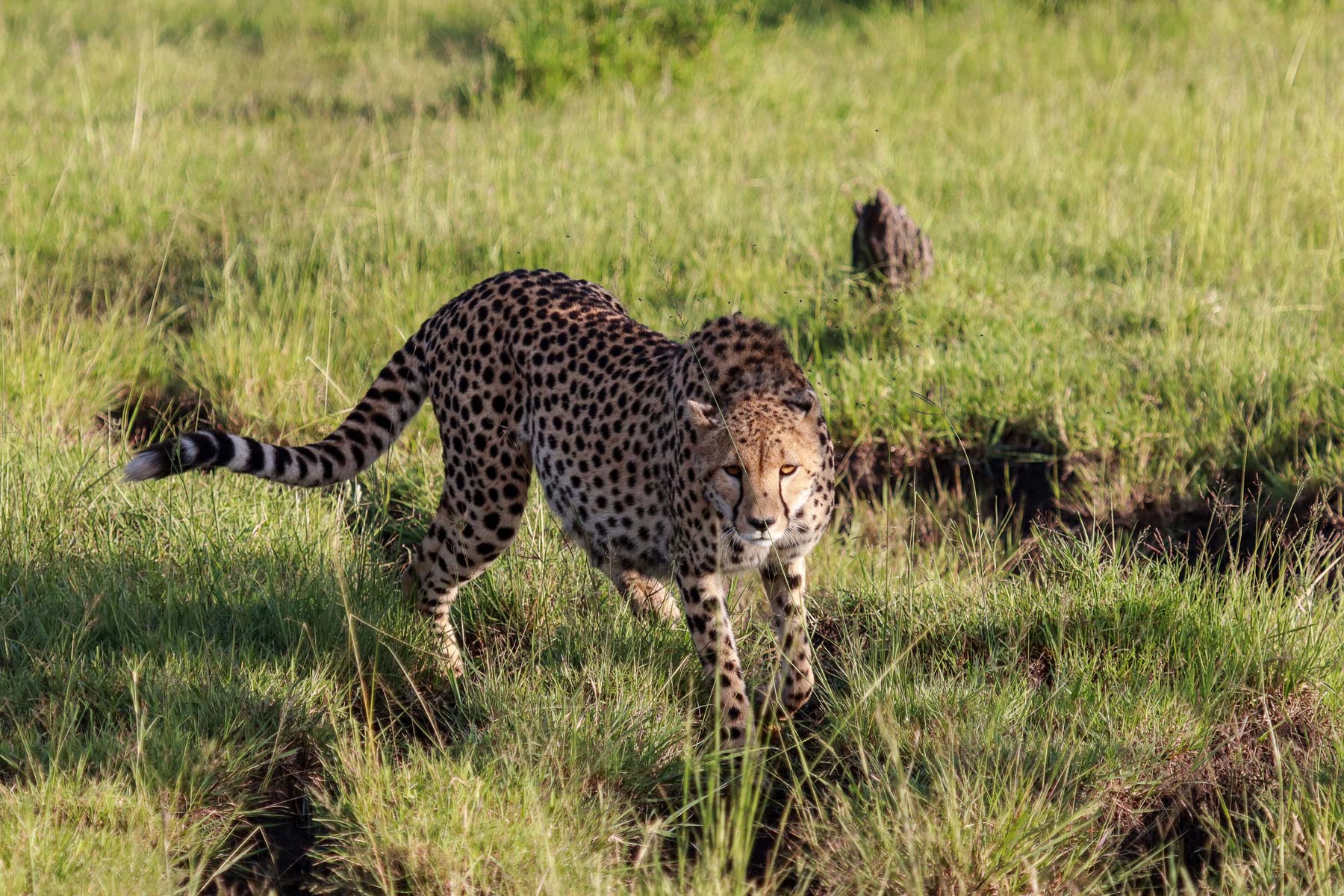
• Cheetahs accelerating after prey
• Lions interacting with their pride
• Elephants displaying social behavior
• Zebras crossing open areas
• Wildebeest moving in large groups
• Birds taking flight
• Hippos entering or leaving water

Animal portrait photography

Long lenses allow you to create detailed portraits while maintaining a respectful distance. Your guide helps you find angles where vegetation, light, and the surrounding environment complement the subject.

Environmental wildlife photography

Instead of filling the entire frame with an animal, environmental photography includes the surrounding landscape. This approach helps show where the animal lives and creates a stronger sense of place.

Bird photography

Tanzania’s varied ecosystems support an extensive range of bird species. Bird photographers should carry a suitable telephoto lens and be prepared for fast movement.

Wetlands, lakes, forests, grasslands, and river systems each offer different birding opportunities.

Landscape photography

A photographic safari also provides time for landscape photography. Sunrise and sunset offer changing light across mountains, plains, forests, lakes, rivers, and volcanic landscapes.

Wide angle lenses are useful for capturing large scenes, while longer lenses help isolate distant landscape features.

Private photographic safari

A private safari is especially useful for serious photographers.

With your own vehicle and guide, you have greater control over:

• Departure times
• Time spent at sightings
• Vehicle positioning
• Photography locations
• Route choices
• Wildlife interests
• Number of stops
• Morning and afternoon activities

If a lion is resting in an interesting position, for example, you do not need to leave simply because another group has finished viewing it. Your schedule remains focused on your interests.

Photography equipment

Camera body

A DSLR or mirrorless camera with fast autofocus is suitable for wildlife photography. A second camera body provides useful backup during longer safaris.


Telephoto lens

A telephoto lens is one of the most useful pieces of equipment for wildlife photography. It allows you to photograph animals from a respectful distance while creating detailed images.


Wide angle lens

A wide angle lens helps capture landscapes, large herds, accommodation surroundings, cultural experiences, and environmental wildlife photographs.


Extra batteries

Safari days often begin early and finish late. Carry several charged batteries, especially when shooting continuously.


Memory cards

Bring sufficient memory capacity. Wildlife action photography often involves shooting multiple frames in a short period.


Camera support

A beanbag is useful inside safari vehicles because it provides support while remaining flexible. A monopod also works for some setups, depending on the vehicle and photographer.

Photography techniques

Shoot in RAW

RAW files retain more image information and provide greater flexibility during editing.


Use fast shutter speeds

Fast shutter speeds help freeze movement during hunting, running, flying, or other action.


Use continuous autofocus

Continuous autofocus helps maintain focus when an animal moves toward or away from the vehicle.


Watch the background

A clean background often produces a stronger photograph. Your guide can help position the vehicle where the background complements the subject.


Observe before shooting

Take a moment to study animal behavior before pressing the shutter. Understanding what the animal is doing often helps you anticipate the next movement.


Use the light

Pay attention to the direction and strength of the sunlight. Side lighting, backlighting, and soft morning light produce different visual effects.

Best time for a photographic safari

Photography opportunities exist throughout the year, but different seasons offer different subjects.


Dry season

Dry conditions often make wildlife easier to locate around water sources and open areas. Dust, dry grass, and warm light also create distinctive photographic scenes.


Green season

The landscape becomes greener following rainfall. This period provides fresh vegetation, dramatic skies, young animals in some areas, and strong landscape photography opportunities.


Calving season

The southern Serengeti and Ndutu area attract photographers interested in newborn wildebeest, herd activity, and predator interactions during the calving period.


Birding season

Migratory birds add further variety during periods when they are present in Tanzania. Bird photographers can combine resident species with seasonal visitors.

Start Planning Your Dream Trip with Us!

Booking form

Everything You Need to Know About Your Safari

Planning Your Safari? Find Your Answers Here

Start Planning Your Dream Trip with Us!

What is a photographic safari?

A photographic safari is a wildlife safari planned around photography. It gives travelers additional time to observe wildlife, study behavior, work with natural light, and create high-quality photographs.

A private vehicle is useful for serious photography because it provides greater flexibility with timing, vehicle positioning, route selection, and time spent at wildlife sightings.

Bring your camera, telephoto lens, wide angle lens, spare batteries, memory cards, cleaning equipment, camera support, power bank, binoculars, protective camera bag, and suitable clothing.

Yes, when stored properly. Use padded camera bags and secure equipment when driving on rough roads. A dust-resistant bag also helps protect equipment.

There is no fixed duration for every sighting. The time depends on animal behavior, park rules, safety, and your itinerary. Private safaris generally provide greater flexibility.