- EXPERIENCE TANZANIA BEYOND THE SAFARI
TANZANIA CULTURAL TOURS
Go beyond the wildlife and experience Tanzania through its people, traditions, history, music, food, and vibrant communities.
Tour Overview
Tanzania cultural tours offer travelers an opportunity to experience the country beyond its famous wildlife and beaches. A cultural journey introduces you to traditional communities, local food, historic towns, indigenous knowledge, traditional crafts, music, farming practices, and everyday life. These experiences provide a closer connection to the people and places that make Tanzania unique.
Tanzania is home to more than 120 ethnic groups, each with its own traditions, languages, ceremonies, foods, crafts, and social practices. Cultural tours provide respectful opportunities to learn from these communities while supporting local livelihoods.
From spending time with Maasai families near the Northern Safari Circuit to visiting Chagga villages on the slopes of Mount Kilimanjaro, Tanzania offers many ways to experience local culture. You can also explore the coastal Swahili heritage of Zanzibar, visit Hadzabe communities near Lake Eyasi, learn about Datoga metalworking, or explore the historic streets of Stone Town.
Why Choose a Tanzania Cultural Tour?
Tanzania’s wildlife attracts millions of travelers, but its cultural heritage provides another important reason to visit. Cultural tours allow you to understand how people have adapted to different environments and maintained traditions across generations.
A cultural tour gives you the opportunity to:
- Meet local people.
- Learn about traditional lifestyles.
- Understand Tanzanian history.
- Taste authentic local food.
- Explore rural communities.
- Support local businesses.
- Learn traditional skills.
- Experience local music and dance.
- Visit historic locations.
- Gain a deeper understanding of Tanzania.
These experiences also provide meaningful additions to safari itineraries. After a game drive, a cultural visit provides a different perspective on the communities living around Tanzania’s protected areas.
What Are Tanzania Cultural Tours?
Tanzania cultural tours are guided travel experiences designed to connect visitors with local communities, historical sites, traditional activities, and cultural landscapes.
Depending on the destination, a cultural tour might include:
- Visiting a traditional village
- Meeting local community members
- Learning about traditional farming
- Watching traditional dances
- Preparing local food
- Visiting artisan workshops
- Learning about traditional medicine
- Exploring historic sites
- Visiting local markets
- Walking through rural communities
- Learning about livestock keeping
- Visiting coffee farms
- Exploring spice plantations
- Learning traditional hunting techniques
- Participating in cultural demonstrations
Maasai Cultural Tours
The Maasai are one of Tanzania’s best-known pastoral communities. Maasai communities live across northern Tanzania, particularly around areas near Ngorongoro Conservation Area, Tarangire, Serengeti, and Lake Manyara.
Maasai cultural tours introduce visitors to aspects of traditional pastoral life, including livestock keeping, community structures, traditional clothing, crafts, songs, and dances.
A guided Maasai experience may include:
- Visiting a Maasai village.
- Meeting community members.
- Learning about cattle keeping.
- Seeing traditional homes.
- Watching cultural performances.
- Learning about beadwork.
- Visiting local craft markets.
- Learning about traditional plants.
- Discussing local conservation practices.
Maasai communities have long maintained a close relationship with livestock and the natural environment. Cultural tours provide an opportunity to learn about this relationship directly from community members.
Hadzabe Cultural Experience

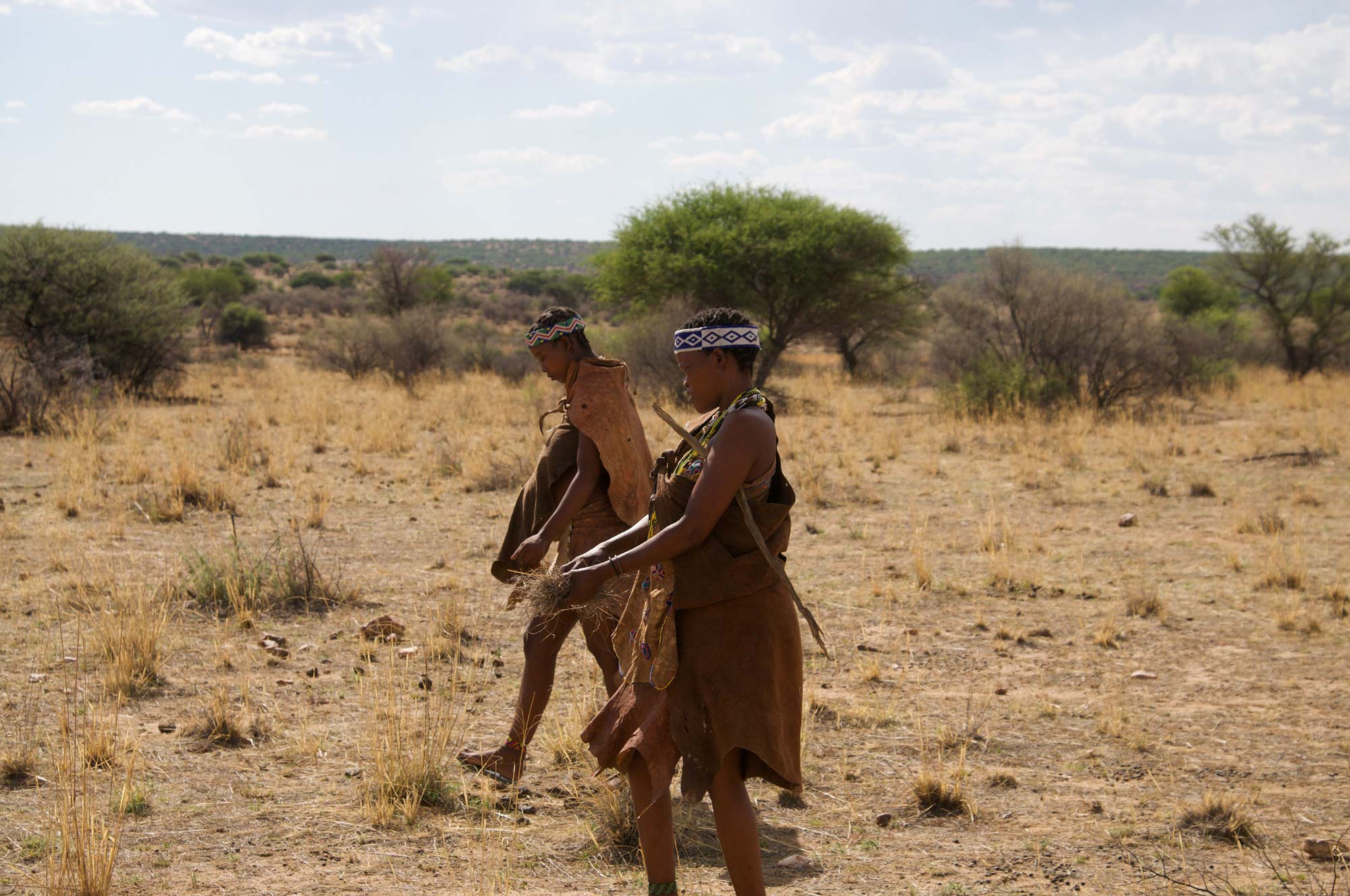
The Hadzabe are an Indigenous hunter-gatherer community living around Lake Eyasi in northern Tanzania. Their traditional lifestyle differs significantly from that of many other communities in the country.
A Hadzabe cultural experience may provide insight into:
- Traditional hunting
- Gathering wild foods
- Tracking animals
- Traditional tools
- Knowledge of local plants
- Community life
- Traditional songs
- Survival skills
Visitors may accompany local guides on a short morning activity where they learn about traditional tracking and hunting techniques. The experience is educational and should be conducted under the guidance of community members.
The Hadzabe have extensive knowledge of the surrounding environment. Their understanding of plants, animals, water sources, and seasonal changes demonstrates the close relationship between traditional knowledge and the natural landscape.
Datoga Cultural Tours
The Datoga are a pastoral and farming community found in areas around Lake Eyasi and other parts of northern Tanzania.
Datoga cultural experiences are particularly interesting because of the community’s traditional metalworking skills. Local artisans create tools, jewelry, household objects, and other items using techniques passed down through generations.
Visitors may see demonstrations involving:
- Blacksmithing
- Metal tool production
- Jewelry making
- Traditional farming
- Livestock keeping
- Local food preparation
A visit to a Datoga community provides an opportunity to learn how traditional skills continue to contribute to household livelihoods.
Coffee Tours in Tanzania
Tanzania produces high-quality Arabica coffee, particularly in regions around Mount Kilimanjaro, Arusha, Mbeya, and other highland areas.
A coffee cultural tour provides a hands-on introduction to the journey from coffee plant to cup.
Depending on the location, visitors may:
- Walk through coffee plantations.
- Learn how coffee cherries grow.
- Harvest ripe coffee cherries.
- Remove the outer fruit.
- Wash and dry coffee beans.
- Roast coffee.
- Grind the beans.
- Prepare traditional coffee.
- Taste freshly prepared coffee.
Coffee tours also provide an opportunity to learn about farming communities and the role agriculture plays in local economies.
Zanzibar Cultural Tours

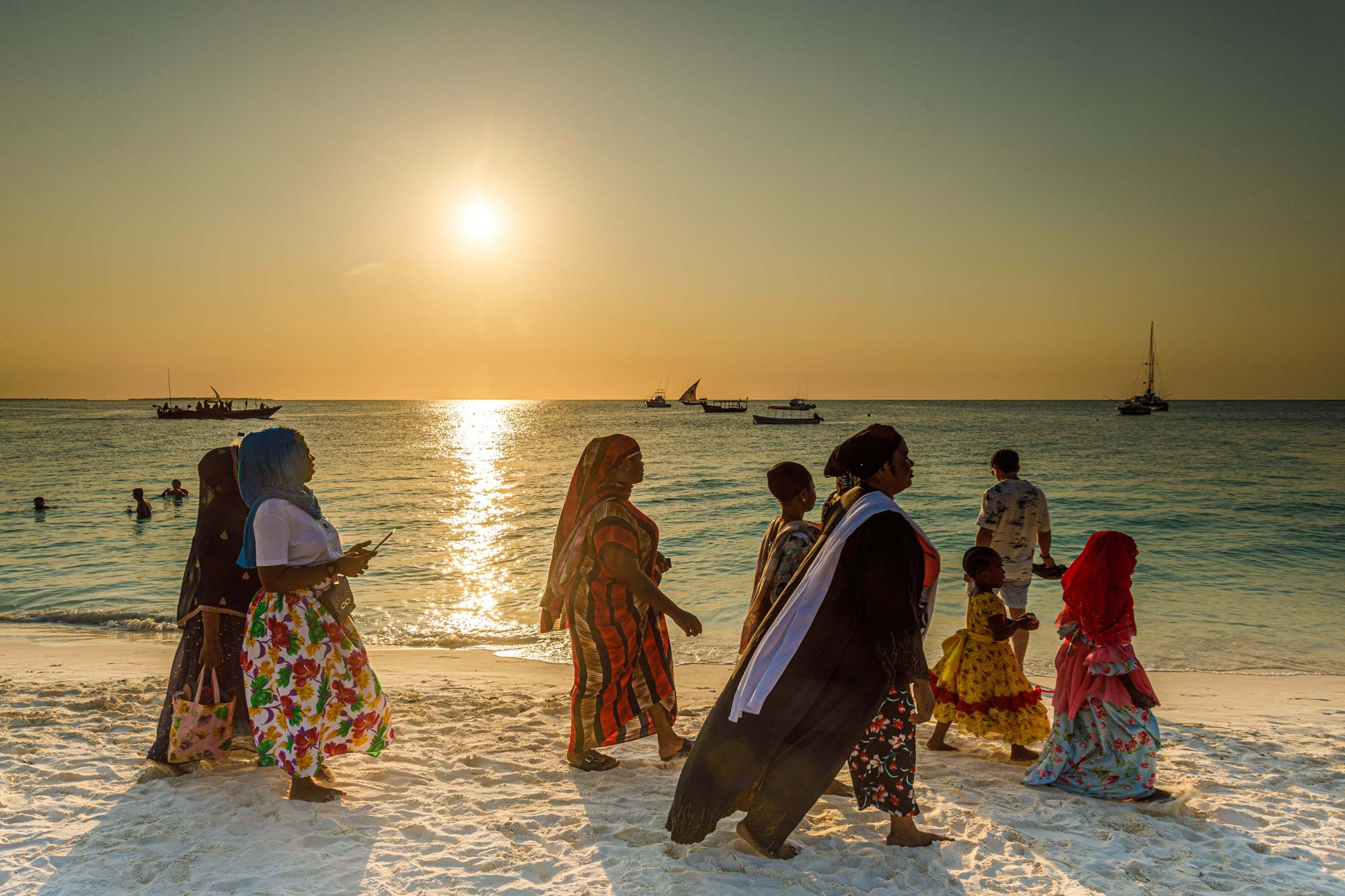
Zanzibar offers a distinctive cultural experience shaped by centuries of interaction between African, Arab, Persian, Indian, and European communities.
A Zanzibar cultural tour can include:
- Stone Town walking tours
- Spice farm visits
- Local cooking classes
- Fishing village visits
- Traditional dhow experiences
- Jozani Forest excursions
- Local market visits
- Swahili food experiences
- Historical museums
- Cultural performances
Stone Town is particularly important because its buildings, streets, markets, and historic sites reflect Zanzibar’s long connection to Indian Ocean trade.
Visitors can explore historic buildings, traditional carved doors, old markets, mosques, churches, museums, and the waterfront while learning about the island’s history.

Local Food Experiences
Food provides one of the easiest ways to understand Tanzanian culture.
Tanzanian cuisine varies by region, community, and available ingredients.
Common foods include:
- Ugali
- Rice
- Pilau
- Chapati
- Nyama choma
- Beans
- Plantains
- Cassava
- Fresh fish
- Coconut-based dishes
- Tropical fruits
- Local vegetables
A cultural food tour might involve visiting a local market, selecting ingredients, preparing a traditional meal, and eating with local hosts.
On the coast, Swahili cuisine combines seafood, coconut, rice, and spices. In northern Tanzania, visitors may encounter dishes influenced by pastoral and agricultural traditions.
Cultural Tours Near Arusha
Arusha is an excellent starting point for cultural experiences because of its location near several communities and safari destinations.
Possible experiences around the Arusha region include:
- Maasai cultural visits
- Coffee tours
- Village walks
- Local food experiences
- Craft workshops
- Market visits
- Traditional dance performances
- Community conservation projects
Cultural activities around Arusha can be added before or after a safari, Kilimanjaro climb, or Mount Meru trek.
Best Time for Cultural Tours in Tanzania
Cultural tours are available throughout much of the year. The best timing depends on the destination and the activities included in your itinerary.
The dry months from June to October are popular because road conditions are generally favorable and cultural activities combine easily with wildlife safaris.
The period from November to February also offers good opportunities, with green landscapes and warm conditions in many regions.
During the long rains from March to May, some rural roads become difficult, but cultural tours remain possible in many accessible areas.
How Long Should a Tanzania Cultural Tour Take?
The ideal duration depends on the type of experience you want.
A short cultural experience may take half a day or one day, while a more detailed cultural itinerary may require several days.
Examples include:
- Half day village experience
- One day Maasai cultural tour
- One day Chagga cultural tour
- One day Lake Eyasi cultural experience
- Two day cultural and wildlife itinerary
- Three day cultural and community tour
- Seven day cultural and safari holiday
For travelers interested in several communities, a longer itinerary provides more time to understand regional differences.
Cultural Tours and Wildlife Safaris
A cultural tour works well alongside a Tanzania wildlife safari.
A Northern Circuit itinerary might combine:
Arusha → Tarangire → Lake Eyasi → Ngorongoro → Serengeti → Cultural Experience → Zanzibar
Another option is:
Arusha → Mount Kilimanjaro Cultural Tour → Tarangire → Ngorongoro → Serengeti → Zanzibar
Travelers interested in the Southern Circuit might combine:
Dar es Salaam → Nyerere National Park → Mikumi → Udzungwa Mountains → Local Cultural Experience
Combining wildlife and cultural experiences creates a more varied Tanzania holiday.
Start Planning Your Dream Trip with Us!
- Faq's
Everything You Need to Know About Your Safari
Where is Serengeti National Park located?
Serengeti National Park is located in northern Tanzania and forms part of the larger Serengeti ecosystem, which extends into Kenya’s Maasai Mara National Reserve. The park is approximately 325 kilometers (202 miles) from Arusha and is accessible by both road and domestic flights.
What is Serengeti National Park famous for?
Serengeti National Park is best known for the Great Migration, one of the world’s most spectacular wildlife events. Every year, over 1.5 million wildebeest, along with hundreds of thousands of zebras and gazelles, migrate across the Serengeti in search of fresh grazing, attracting predators such as lions, cheetahs, and crocodiles.
When is the best time to visit Serengeti National Park?
The Serengeti is a year round safari destination. January to March is ideal for the wildebeest calving season, while June to October offers excellent wildlife viewing during the dry season. August to October is particularly popular for witnessing the dramatic Mara River crossings in the northern Serengeti.
What animals can you see in Serengeti National Park?
Serengeti National Park is home to the Big Five lion, leopard, elephant, buffalo, and black rhinoceros as well as cheetahs, giraffes, hippos, crocodiles, hyenas, wildebeest, zebras, gazelles, and more than 500 bird species, making it one of Africa’s richest wildlife destinations.
How many days should I spend in Serengeti National Park?
A stay of 3 to 5 days is recommended to fully experience the park’s diverse landscapes and wildlife. Travelers interested in following the Great Migration or exploring different regions of the park may prefer spending 5 to 7 days for a more comprehensive safari experience.