- LAKE MANYARA — TANZANIA’S HIDDEN GEM
LAKE MANYARA NATIONAL PARK
From flamingos on the lake to elephants beneath the forest canopy, experience a safari filled with beauty and wonder.
Lake Manyara National Park Overview
Lake Manyara National Park is a beautiful and diverse wildlife destination in northern Tanzania, famous for its dramatic landscapes, tree climbing lions, large elephant population, colorful birdlife, and the scenic alkaline lake that gives the park its name. Although it is one of Tanzania’s smaller national parks, Lake Manyara offers an impressive variety of ecosystems within a relatively compact area.
The park covers approximately 330 square kilometers (127 square miles), with much of its area occupied by Lake Manyara during periods of high water. It lies at the base of the Great Rift Valley escarpment and forms an important part of Tanzania’s Northern Safari Circuit, making it easy to combine with Tarangire National Park, Ngorongoro Conservation Area, and Serengeti National Park.
Lake Manyara National Park is particularly attractive to travelers looking for a safari experience that combines wildlife, dramatic scenery, birdwatching, and opportunities to explore different habitats within a short period. The contrast between the Rift Valley escarpment, groundwater forests, open plains, wetlands, and the shimmering lake creates a landscape that is very different from the vast grasslands of the Serengeti.
Why Visit Lake Manyara National Park?
Lake Manyara is ideal for travelers who want to experience a wide range of Tanzania’s natural environments without spending several days in a single park. Its combination of wildlife rich forests, open plains, wetlands, lake scenery, and the Rift Valley escarpment creates an experience that is both visually spectacular and ecologically diverse.
The park is particularly rewarding for photographers, birdwatchers, families, first time safari travelers, and visitors following the Northern Safari Circuit. Its location also makes it convenient to combine with Tarangire, Ngorongoro, and Serengeti.
While Lake Manyara may not have the enormous wildlife concentrations of the Serengeti or the crater scenery of Ngorongoro, it offers something different: a compact and diverse ecosystem where forest, lake, wildlife, and dramatic geology come together.
Location and Geography
Lake Manyara National Park is located in northern Tanzania, approximately 120 kilometers west of Arusha. The park lies between the town of Mto wa Mbu and the Great Rift Valley escarpment, making it a convenient stop on many Northern Tanzania safari itineraries.
The park stretches along the base of the Rift Valley escarpment, which rises dramatically above the western side of the area. This creates spectacular scenery as visitors travel between the forested slopes and the open lake basin.
Lake Manyara itself is a shallow, alkaline lake whose size changes according to rainfall and seasonal water levels. During the wet season, the lake can expand considerably, while during the dry season, sections of the shoreline may become exposed.
The combination of water, forests, grasslands, and escarpment habitats creates a remarkably varied environment for wildlife.
Diverse Landscapes and Ecosystems
One of Lake Manyara National Park’s greatest attractions is the remarkable variety of landscapes found within a small geographical area.
The park contains:
- Groundwater forests
- Open grasslands
- Acacia woodlands
- Seasonal wetlands
- Permanent springs
- Swamps
- Rocky areas
- Lake shorelines
- Floodplains
- Rift Valley escarpment habitats
The groundwater forest is one of the park’s most distinctive ecosystems. It remains relatively green throughout much of the year because underground water from the surrounding highlands feeds natural springs.
These different environments support a wide range of mammals, birds, reptiles, fish, and plant species.
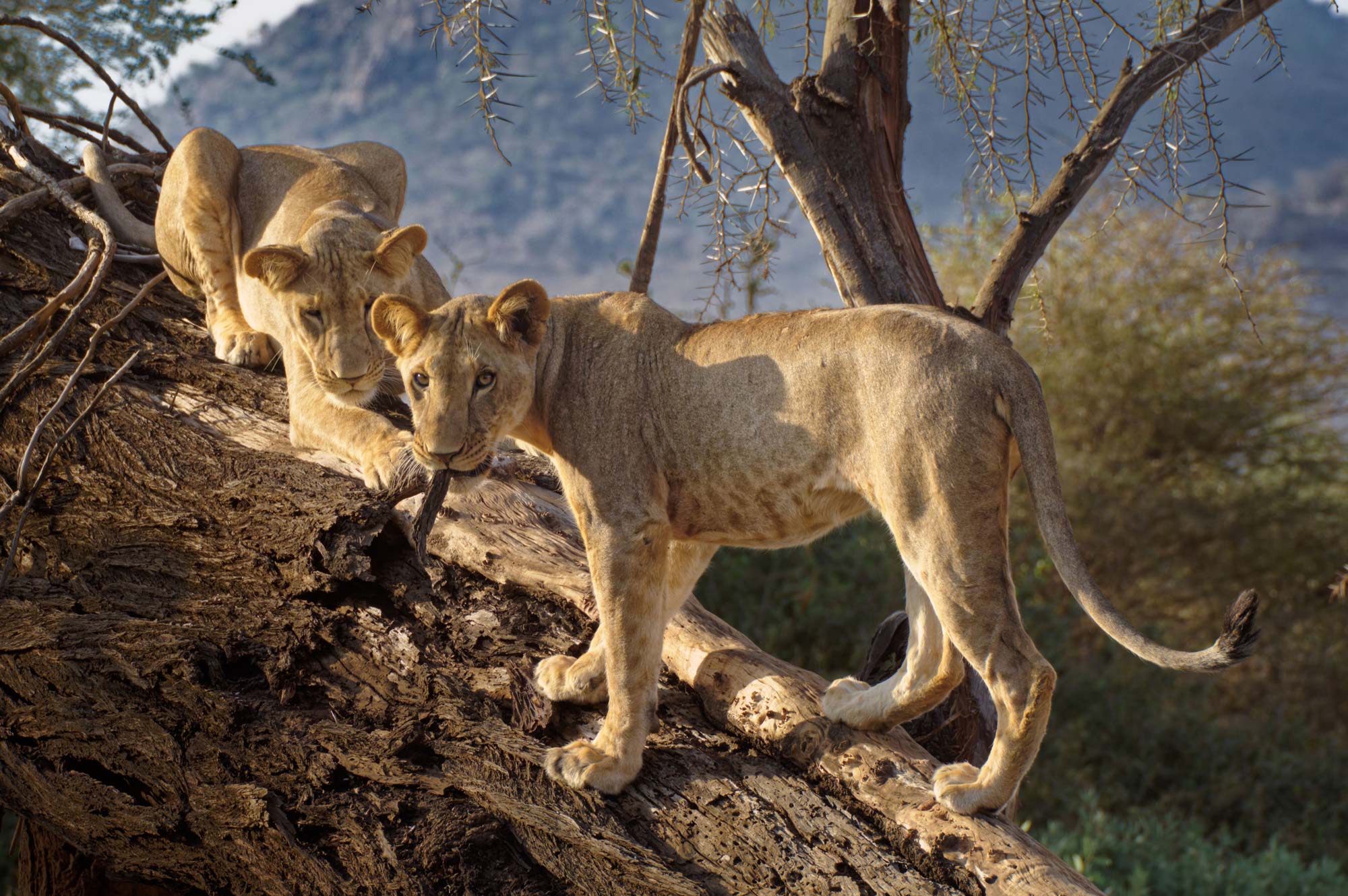
Tree Climbing Lions

One of Lake Manyara’s most famous attractions is its population of tree climbing lions.
Lions are occasionally observed resting on the branches of large acacia and other trees, particularly during the hotter parts of the day. From elevated branches, they can enjoy shade, avoid insects, and obtain a better vantage point over the surrounding landscape.
However, tree-climbing behavior is not guaranteed on every safari. Lions may spend much of their time on the ground, and sightings depend on season, weather, animal behavior, and chance.
The possibility of seeing a lion relaxing high above the ground nevertheless makes Lake Manyara a particularly exciting destination for wildlife photographers.
Elephant Population
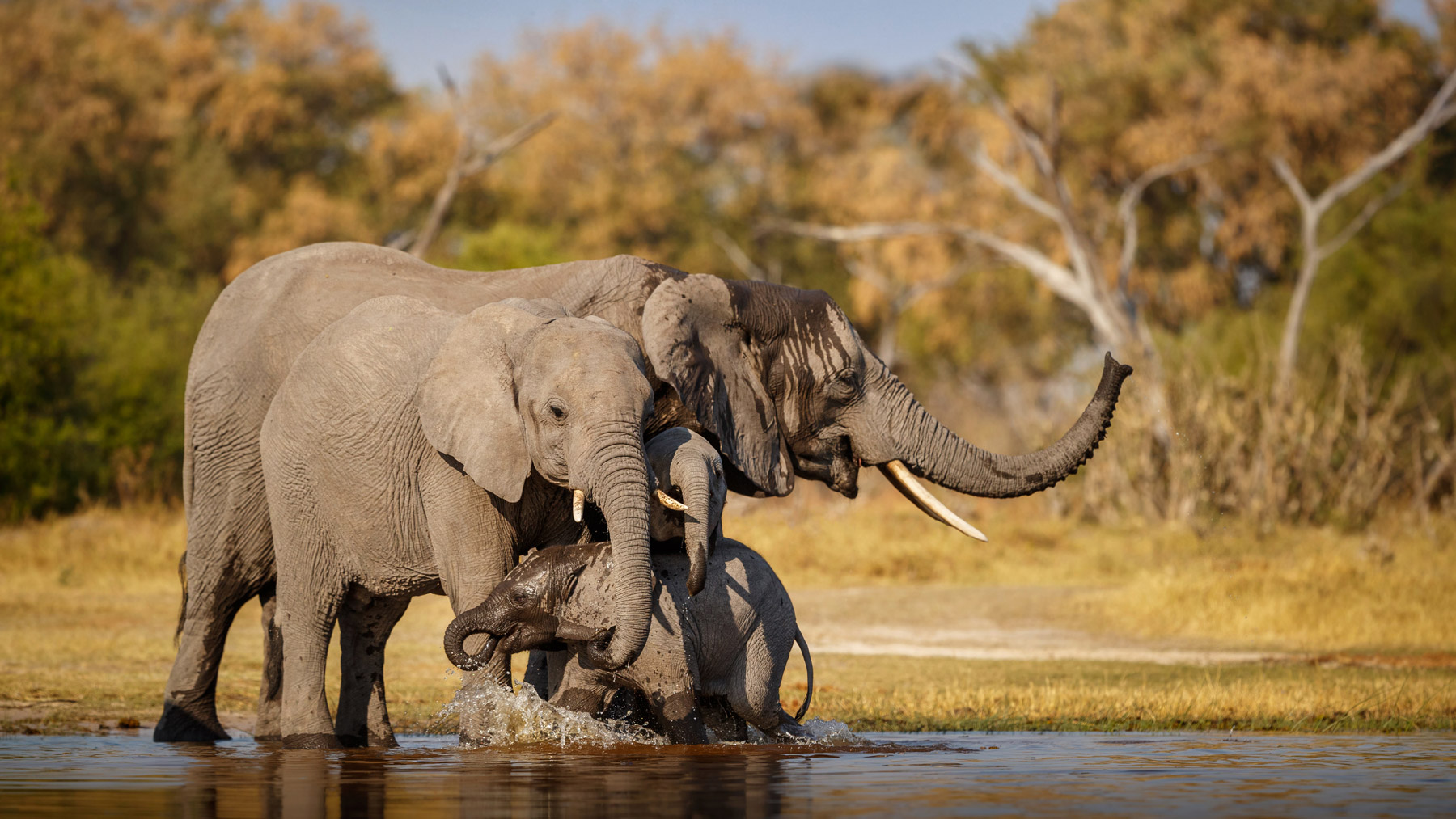
Lake Manyara has a long history of elephant conservation and is well known for close encounters with these impressive animals.
Elephants often move through the park’s woodland, feeding on leaves, branches, grasses, and other vegetation. Visitors may observe family groups traveling together, young calves staying close to their mothers, or elephants crossing safari roads.
Because the vegetation can be dense in certain parts of the park, elephants sometimes appear surprisingly close to safari vehicles. Guides maintain appropriate distances and follow park regulations to ensure safe wildlife viewing.
Birdwatching in Lake Manyara
Lake Manyara National Park is one of Tanzania’s outstanding birdwatching destinations. More than 400 bird species have been recorded in the park, making it particularly attractive to bird enthusiasts and photographers.
Birds commonly observed include:
- Greater flamingos
- Lesser flamingos
- African fish eagles
- Crowned cranes
- Pelicans
- Yellow-billed storks
- Marabou storks
- Open billed storks
- Herons
- Egrets
- Hadada ibises
- Hornbills
- Kingfishers
- Bee-eaters
- Rollers
- Weavers
- Sunbirds
- Superb starlings
- Guinea fowl
- Ostriches
The combination of lake, wetlands, forest, and open grasslands means that visitors can encounter very different bird species during a single game drive.
The period from November to April can be particularly rewarding for birdwatching because migratory birds join resident species.
Unique Experiences found in Lake Manyara
Hot Springs
Lake Manyara National Park also contains hot springs associated with the region’s volcanic and geological activity.
The Maji Moto hot springs are located near the lake and provide an interesting example of the geothermal processes associated with the Great Rift Valley.
These springs are not simply a wildlife attraction; they also demonstrate how geological forces continue to influence the landscape. Depending on conditions and park regulations, visitors may be able to view these areas as part of a guided safari.
Great Rift Valley Escarpment
The western boundary of Lake Manyara National Park is dominated by the impressive Great Rift Valley escarpment.
The escarpment rises dramatically above the lake basin and provides spectacular panoramic views of the surrounding landscape.
From viewpoints around the region, visitors can appreciate the relationship between the escarpment, forest, grasslands, lake, and distant volcanic landscapes.
The Great Rift Valley is one of Africa’s most important geological features and extends thousands of kilometers through eastern Africa.
Best Time to Visit Lake Manyara National Park
June to October
This is the dry season and a popular period for general wildlife viewing. Animals are often easier to spot in areas where vegetation becomes less dense, and roads are generally easier to navigate.
November to February
The landscape becomes greener following the short rains. This period is excellent for birdwatching, photography, and enjoying the fresh appearance of the park.
March to May
The long rainy season brings lush vegetation and fewer visitors. Heavy rainfall can occasionally make some roads challenging, but the scenery can be exceptionally beautiful.
November to April for Birdwatching
Bird enthusiasts may particularly enjoy this period because migratory species join the park’s resident bird population.
Safari Activities in Lake Manyara National Park
Game Drives
Game drives are the primary way to explore the park. Morning and afternoon drives provide opportunities to observe elephants, lions, buffaloes, giraffes, zebras, hippos, primates, and numerous bird species.
Birdwatching
The park’s varied habitats make it ideal for birdwatching. A knowledgeable guide can help identify different species by their calls, colors, behavior, and habitat.
Wildlife Photography
The combination of animals, forest, lake, escarpment, and changing light provides excellent opportunities for photography.
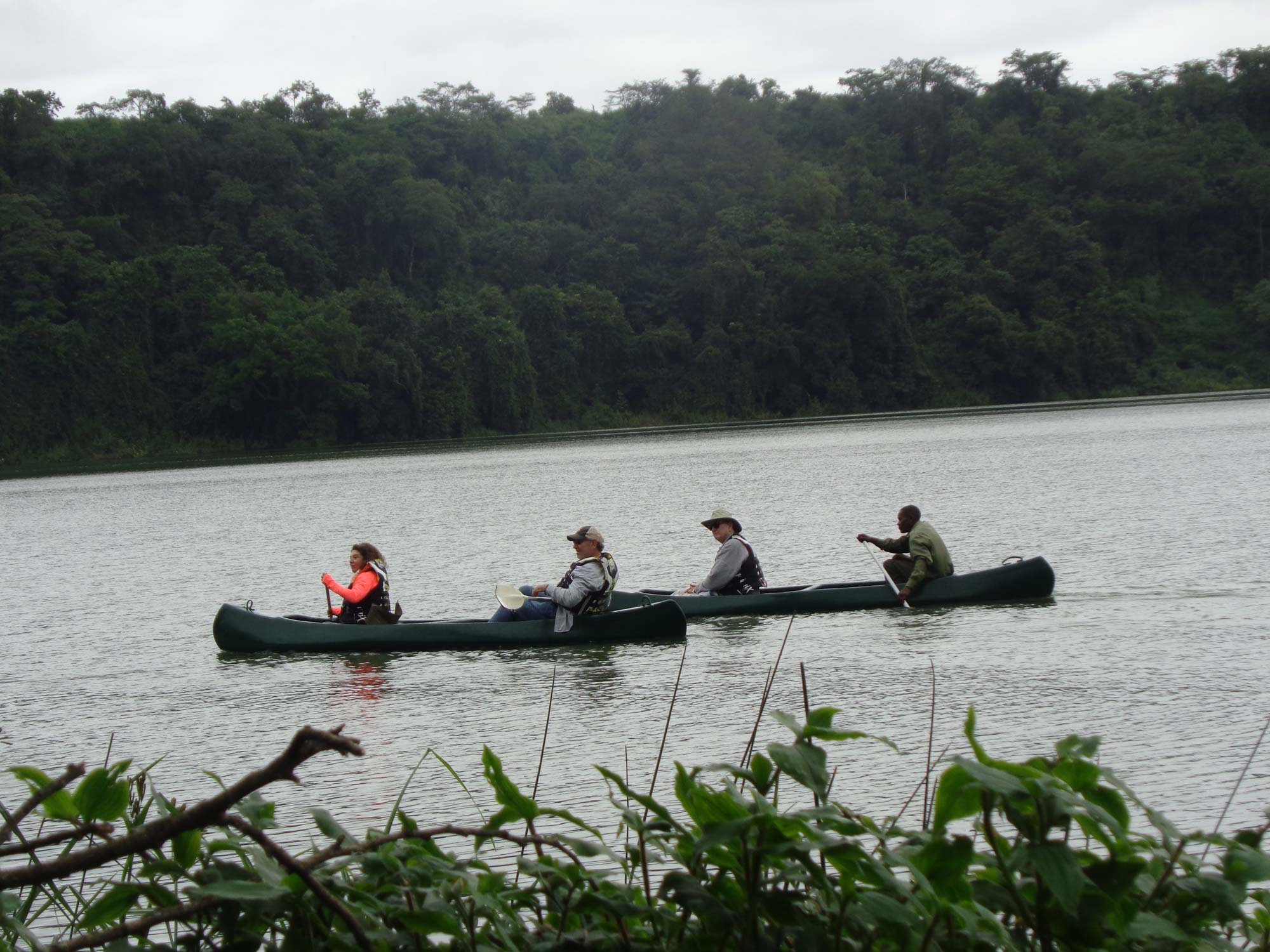
Canoeing
Canoeing may be available in designated areas and under suitable conditions, depending on current park regulations and water levels. It offers a different perspective of the landscape and aquatic environment.
Walking Experiences
Guided walking activities may be available in designated areas outside or around the park. Walking allows visitors to focus on plants, insects, tracks, birds, and smaller wildlife that can be overlooked during vehicle safaris.
Cultural Experiences
Nearby communities, especially around Mto wa Mbu, offer opportunities to learn about local agriculture, crafts, food, traditional practices, and everyday life.

Mto wa Mbu Cultural Experience
The nearby town of Mto wa Mbu is an important cultural destination and a common stop for travelers visiting Lake Manyara.
The town is known for its multicultural population, agricultural activities, local markets, traditional food, and artistic crafts.
Visitors may take guided cultural tours that include:
- Local market visits
- Village walks
- Farm visits
- Traditional food experiences
- Bicycle tours
- Local craft workshops
- Community projects
These experiences can complement a wildlife safari by allowing travelers to learn more about the people and communities living around the park.
Lake Manyara as Part of a Northern Tanzania Safari
Lake Manyara is often included in multi destination safari packages because of its convenient location and diverse wildlife.
A classic Northern Tanzania safari may combine:
- Tarangire National Park for elephants and baobabs.
- Lake Manyara National Park for forests, birds, elephants, and tree climbing lions.
- Ngorongoro Conservation Area for the crater and concentrated wildlife.
- Serengeti National Park for vast plains, predators, and the Great Migration.
This combination provides a broad introduction to Tanzania’s wildlife and landscapes.
Visitor Tips during Safari
To make the most of a Lake Manyara safari, travelers should consider the following:
- Carry binoculars, especially for birdwatching.
- Bring a camera with spare batteries or a power bank.
- Wear comfortable clothing suitable for warm conditions.
- Carry a light jacket for cool mornings.
- Use sunscreen, sunglasses, and a hat.
- Bring insect repellent.
- Carry sufficient drinking water.
- Bring rain protection during wet months.
- Wear comfortable shoes for permitted walking activities.
- Follow your safari guide’s instructions.
- Allow flexibility because wildlife sightings cannot be guaranteed.
- Combine Lake Manyara with nearby destinations for a longer safari experience.
Start Planning Your Dream Trip with Us!
- Faq's
Everything You Need to Know About Your Safari
What is Lake Manyara National Park famous for?
Lake Manyara National Park is famous for its tree climbing lions, large elephant herds, diverse birdlife, and the scenic alkaline Lake Manyara. The park is also known for its lush groundwater forest and spectacular views of the Great Rift Valley escarpment.
When is the best time to visit Lake Manyara National Park?
Lake Manyara National Park can be visited throughout the year. The dry season from June to October is ideal for wildlife viewing, while November to April offers lush landscapes, excellent birdwatching, and the chance to see migratory bird species.
What animals can you see in Lake Manyara National Park?
Visitors can see a wide variety of wildlife, including elephants, lions, leopards, buffaloes, giraffes, zebras, wildebeest, hippos, baboons, blue monkeys, vervet monkeys, warthogs, and numerous antelope species. The park is also home to more than 400 bird species, including flamingos, pelicans, storks, and African fish eagles.
How long should I spend in Lake Manyara National Park?
A full day safari is enough to explore the park’s main attractions and enjoy excellent wildlife viewing. Travelers with more time may choose to spend 1 to 2 days combining game drives with birdwatching and cultural experiences in the nearby town of Mto wa Mbu.
Can Lake Manyara National Park be combined with other safari destinations?
Yes. Lake Manyara National Park is a popular stop on Tanzania’s Northern Safari Circuit and is commonly combined with Tarangire National Park, Ngorongoro Conservation Area, and Serengeti National Park. This combination offers visitors a diverse safari experience featuring forests, lakes, volcanic landscapes, abundant wildlife, and the Great Migration.