- NYERERE — A WILDERNESS WITHOUT LIMITS
NYERERE NATIONAL PARK
Glide along the Rufiji River, encounter Africa’s magnificent wildlife, and experience the untamed beauty of southern Tanzania.
Nyerere National Park Overview
Nyerere National Park is the largest national park in Tanzania and one of Africa’s most spectacular wilderness destinations. Covering approximately 30,893 square kilometers (11,928 square miles), the park protects a vast network of rivers, lakes, woodlands, wetlands, and open savannahs that support an extraordinary diversity of wildlife. Located in southern Tanzania, Nyerere National Park forms the core of the historic Selous ecosystem, one of the largest remaining protected wilderness areas on the continent.
Established as a national park in 2019, Nyerere National Park was created from the northern portion of the former Selous Game Reserve. The park was named in honor of Julius Kambarage Nyerere, Tanzania’s first president, whose leadership played an important role in promoting wildlife conservation and the protection of the country’s natural heritage.
Unlike some of Tanzania’s more heavily visited northern parks, Nyerere offers a quieter and more exclusive safari experience. Visitors can enjoy traditional game drives, boat safaris along the Rufiji River, walking safaris, birdwatching, and exceptional opportunities to observe wildlife in one of Africa’s last great wilderness landscapes.
Location and Geography
Nyerere National Park is located in southern Tanzania, approximately 230 kilometers (143 miles) southwest of Dar es Salaam. The park extends across the Morogoro, Pwani, Lindi, and Ruvuma regions and forms part of the larger Selous ecosystem.
The landscape is remarkably diverse and includes:
- The Rufiji River
- Floodplains
- Oxbow lakes
- Seasonal wetlands
- Miombo woodlands
- Acacia savannahs
- Riverine forests
- Sand rivers
- Rocky hills
- Open grasslands
The Rufiji River, Tanzania’s largest river, is the park’s defining feature. As it flows through the reserve, it branches into numerous channels, lagoons, and lakes that provide water throughout the year for wildlife and create one of East Africa’s richest freshwater ecosystems.
History of Nyerere National Park
The area was originally protected as part of the Selous Game Reserve, established in 1922. Named after British explorer and conservationist Frederick Courteney Selous, the reserve became internationally recognized for its enormous size and exceptional wildlife populations.
In 2019, the northern section of the reserve was officially designated as Nyerere National Park, while the remaining southern section continues to be managed separately. The creation of the national park strengthened wildlife conservation, tourism management, and ecological protection within one of Africa’s most valuable wilderness areas.
Today, Nyerere National Park is managed by the Tanzania National Parks Authority (TANAPA).
The Rufiji River

The Rufiji River is the heart of Nyerere National Park and one of Tanzania’s most important river systems.
The river creates:
- Permanent lakes
- Channels
- Swamps
- Sandbanks
- Floodplains
- Riverine forests
These habitats support large numbers of hippos, crocodiles, fish, waterbirds, elephants, buffaloes, and countless other species.
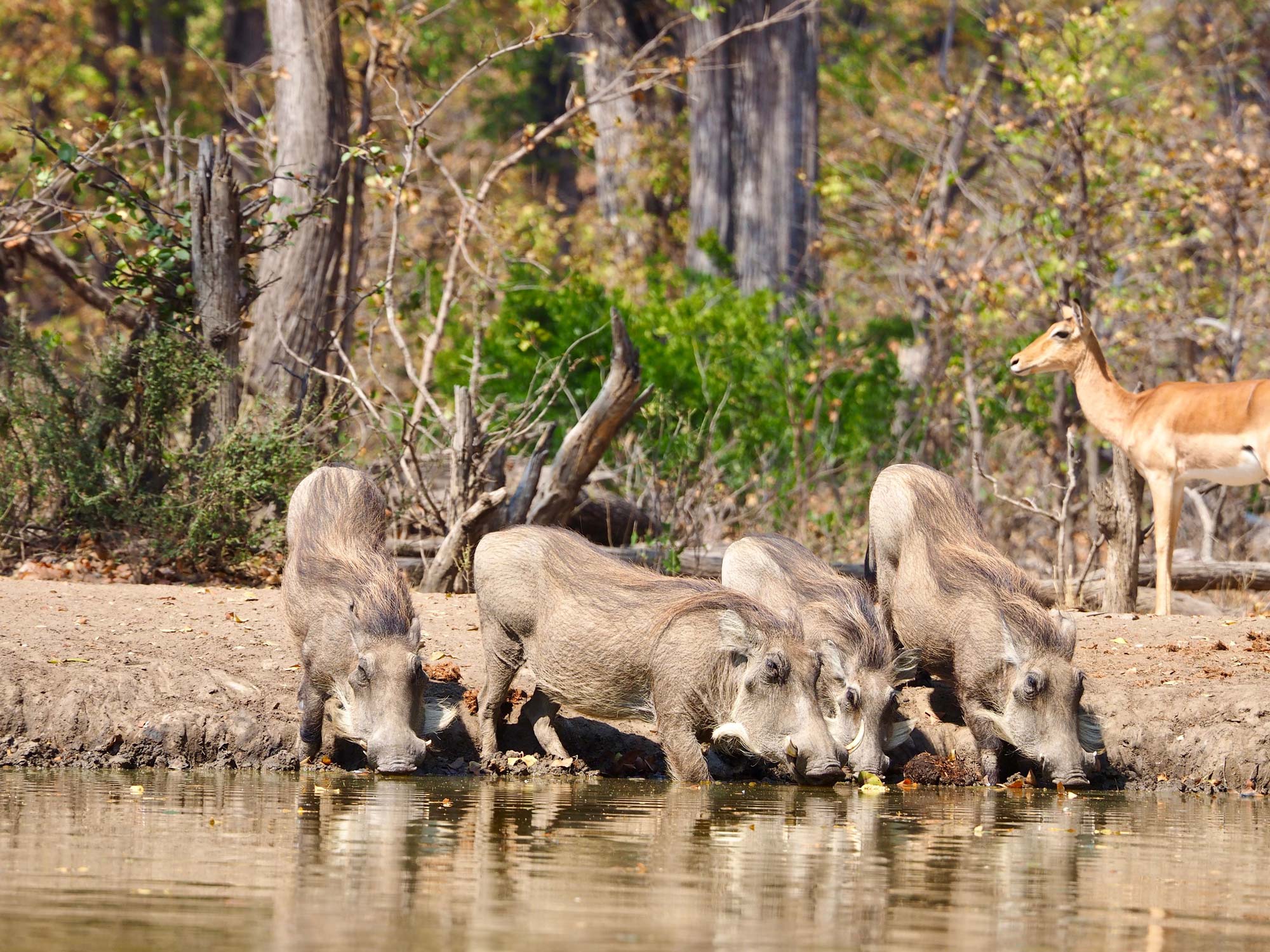
Boat safaris on the Rufiji River offer visitors a unique perspective that differs from traditional game drives. Travelers can quietly observe animals drinking at the riverbanks, crocodiles basking in the sun, and hippos resting in the water while enjoying excellent birdwatching opportunities.
Diverse Habitats in Nyerere National Park
The park’s size allows it to support many different ecosystems.
Major habitats include:
- Miombo woodlands
- Open savannah
- Palm forests
- Flooded grasslands
- Riverine forests
- Wetlands
- Seasonal lakes
- Sand rivers
- Bushland
- Rocky outcrops
Each habitat supports different wildlife communities, making every game drive unique.
Wildlife found in Nyerere National Park
Elephant Population
Nyerere National Park supports one of Tanzania’s largest elephant populations. These intelligent animals travel across woodlands, riverbanks, and floodplains in family groups led by experienced females.
Elephants are frequently observed drinking from the Rufiji River, crossing channels, feeding on woodland vegetation, and bathing in muddy pools during the hotter months.
Predators
Predators play an essential role in maintaining the park’s ecological balance.
Visitors may observe:
- Lions resting beneath trees or hunting across open plains.
- Leopards hiding within riverine forests.
- African wild dogs traveling in highly organized packs.
- Spotted hyenas searching for prey or scavenging.
- Cheetahs hunting antelope in open grasslands.
Although sightings can never be guaranteed, Nyerere is widely regarded as one of the best destinations for predator enthusiasts.
Birdlife
Nyerere National Park is a paradise for birdwatchers, with more than 440 bird species recorded.
Common birds include:
- African fish eagles
- Saddle-billed storks
- Goliath herons
- Pelicans
- Kingfishers
- Bee-eaters
- Open-billed storks
- Yellow-billed storks
- Hammerkops
- African skimmers
Experiences in Nyerere National Park
Walking Safaris
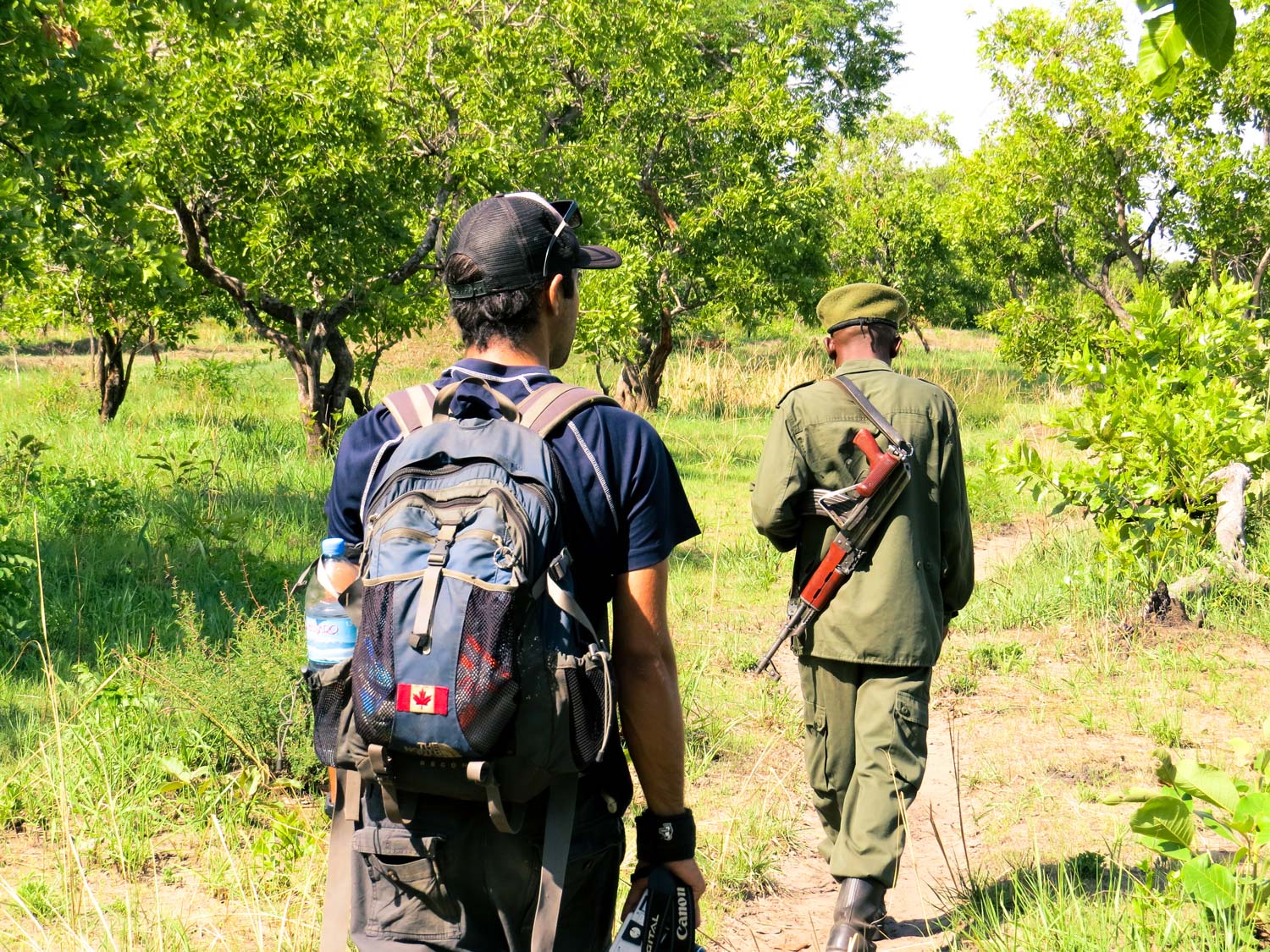
Nyerere National Park is internationally recognized as one of Tanzania’s premier destinations for guided walking safaris.
Accompanied by experienced guides and armed park rangers, visitors can explore the wilderness on foot while learning about:
- Animal tracks
- Plants
- Insects
- Birdlife
- Ecology
- Wildlife behavior
Walking safaris provide a completely different perspective from vehicle-based game drives.
Boat Safaris
Boat safaris are among the park’s signature experiences.
Unlike many national parks, Nyerere allows visitors to explore its waterways by boat, providing close views of:
- Hippos
- Crocodiles
- Elephants
- Buffaloes
- Waterbirds
- River landscapes
Sunset boat safaris are particularly popular because of the beautiful evening light and increased wildlife activity.

Best Time to Visit Nyerere National Park
Nyerere National Park can be visited throughout much of the year.
- June to October: Best wildlife viewing during the dry season.
- November to February: Green scenery, newborn animals, and excellent birdwatching.
- March to May: Heavy rains may affect accessibility, and some lodges close temporarily.
The ideal travel period depends on visitor interests and planned activities.
Climate
Nyerere National Park experiences a tropical climate.
Typical weather includes:
- Dry season from June to October.
- Long rains from March to May.
- Short rains during November and December.
- Warm temperatures throughout the year.
- Higher humidity near rivers and wetlands.
The dry season generally offers the easiest wildlife viewing because animals concentrate around permanent water sources.
Visitor Tips during Safari
Before visiting Nyerere National Park, travelers should:
- Pack lightweight clothing in neutral colors.
- Bring binoculars for wildlife viewing.
- Carry insect repellent.
- Wear a hat and sunscreen.
- Bring a camera with spare batteries.
- Stay hydrated during activities.
- Carry a light jacket for early mornings and evening boat safaris.
- Follow all safety instructions during walking and boat excursions.
Interesting Facts about Nyerere National Park
- Nyerere National Park is the largest national park in Tanzania.
- It covers nearly 31,000 square kilometers.
- The park was established in 2019.
- It was created from the northern section of the former Selous Game Reserve.
- The Rufiji River is the park’s lifeline.
- It is one of Africa’s best destinations for African wild dogs.
- Boat safaris are one of the park’s signature attractions.
- More than 440 bird species have been recorded.
- The park supports large elephant, buffalo, and hippo populations.
- Nyerere offers one of Tanzania’s most authentic wilderness safari experiences.
Start Planning Your Dream Trip with Us!
- Faq's
Everything You Need to Know About Your Safari
What is Nyerere National Park famous for?
Nyerere National Park is famous for being Tanzania’s largest national park, its vast unspoiled wilderness, the Rufiji River, exciting boat safaris, guided walking safaris, and abundant wildlife, including elephants, lions, hippos, crocodiles, and the endangered African wild dog.
When is the best time to visit Nyerere National Park?
The best time to visit Nyerere National Park is during the dry season from June to October, when wildlife gathers around the Rufiji River and other permanent water sources, making animal sightings easier. The November to February period is also excellent for birdwatching, green landscapes, and seeing newborn animals.
What animals can you see in Nyerere National Park?
Visitors can see a wide variety of wildlife, including African elephants, lions, leopards, buffaloes, giraffes, zebras, hippos, Nile crocodiles, spotted hyenas, African wild dogs, impalas, waterbucks, greater kudus, sable antelopes, and many other species. The park is also home to more than 440 bird species, making it a popular destination for birdwatchers.
What activities are available in Nyerere National Park?
Nyerere National Park offers a range of safari experiences, including game drives, boat safaris on the Rufiji River, guided walking safaris, birdwatching, wildlife photography, fishing in designated areas (where permitted), and sunset cruises. These activities allow visitors to explore the park from both land and water.
How do I get to Nyerere National Park?
Nyerere National Park can be reached by road from Dar es Salaam in approximately 5 to 6 hours. Travelers can also take scheduled or charter flights from Dar es Salaam, Zanzibar, or Arusha to one of the park’s airstrips, followed by a short transfer to their safari lodge or camp.