
ARUSHA NATIONAL PARK

Step into the wild and let Arusha National Park turn your African dream into an unforgettable adventure.

Arusha National Park Overview

Arusha National Park is one of Tanzania’s most accessible wildlife destinations and one of the best places to experience several contrasting landscapes within a relatively compact area. Located close to Arusha city, the park is often the first protected area visited by travelers beginning a northern Tanzania safari. Its convenient location makes it possible to enjoy a rewarding wildlife experience even when you have only one free day between flights, hotel stays or longer safari journeys.

The park combines montane forests, open grasslands, crater landscapes, wetlands, lakes and the slopes of Mount Meru. These varied habitats support giraffes, buffaloes, zebras, warthogs, monkeys, antelopes and numerous bird species. Elephants are also seen occasionally, while leopards, hyenas and other predators are present but generally more difficult to find because of the park’s forested terrain and smaller wildlife populations.

Unlike many Tanzania safari destinations, Arusha National Park offers several activities beyond traditional game drives. Visitors can enjoy walking safaris with an armed ranger, canoeing on Momella Lakes, bird watching, nature walks and Mount Meru trekking. This variety makes the park suitable for travelers who want a more active and diverse experience rather than spending the entire visit inside a safari vehicle.

Where Is Arusha National Park?

Arusha National Park lies in northern Tanzania, approximately 25 km east of Arusha city. Its convenient location makes it one of the easiest national parks to reach from the city, and the drive to the entrance usually takes less than an hour depending on traffic, road conditions and the selected gate.

The park extends across the eastern and southern slopes of Mount Meru, Tanzania’s second-highest mountain. Mount Meru dominates the landscape and creates a dramatic backdrop for wildlife viewing, photography and trekking. Mount Kilimanjaro is also visible from parts of the park under favorable weather conditions, although clouds and haze can affect visibility.

Its location makes Arusha National Park particularly suitable for travelers with limited time. You do not need several days to experience the park’s main attractions. A full-day safari can include wildlife viewing around the Momella area, visits to crater viewpoints, bird watching near the lakes and scenic drives through forest and grassland habitats.

Arusha National Park at a Glance

Location: Northern Tanzania, near Arusha city

Distance from Arusha: Approximately 25 km

Main mountain: Mount Meru, rising to about 4,566 metres

Major attractions: Mount Meru, Momella Lakes, Ngurdoto Crater, montane forest, waterfalls and wildlife

Popular activities: Game drives, walking safaris, canoeing, bird watching, nature walks and Mount Meru trekking

Best for: Short safaris, nature lovers, bird watchers, photographers, walking safari enthusiasts and mountain trekkers

Recommended stay: 1 to 2 days for a park visit, with additional days required for Mount Meru trekking

Safari circuit: Northern Tanzania

Nearest major city: Arusha

Main wildlife areas: Momella Lakes, open grasslands, forest edges and crater viewpoints

Why Visit Arusha National Park?

Close to Arusha City

One of the biggest advantages of Arusha National Park is its location. You can leave your hotel in Arusha after breakfast and reach the park within a relatively short drive, allowing you to spend most of the day inside the protected area rather than traveling long distances.

This makes the park useful for travelers who have a free day before or after a longer safari. It is also convenient for visitors arriving at Kilimanjaro International Airport, staying in Arusha for a night or two, or waiting for a domestic flight to another destination.

Diverse Landscapes

The park contains several distinct environments, including montane forests, open grasslands, crater areas, wetlands, lakes and mountain slopes. Each habitat supports different plants, animals and bird species, giving the park a strong sense of ecological variety.

The changing scenery makes a game drive more interesting and visually rewarding. One moment you might travel through a shaded forest where monkeys move through the trees, followed by open grassland where giraffes and buffaloes are easier to spot. Around the lakes, waterbirds and wetland species create another completely different wildlife viewing experience.

Excellent Walking Safari Destination

Walking safaris provide a closer connection with the environment than vehicle-based game drives. With an armed park ranger accompanying you, you learn how to identify animal tracks, droppings, feeding signs, plants, insects, birds and other details that are often missed from a safari vehicle.

Walking is especially rewarding around the forest and open areas near the Momella region. The slower pace allows you to appreciate the sounds, scents and textures of the landscape. You may hear birds calling from the canopy, observe insects on plants or discover tracks left by animals that passed through the area earlier.

Main Attractions in Arusha National Park

Mount Meru
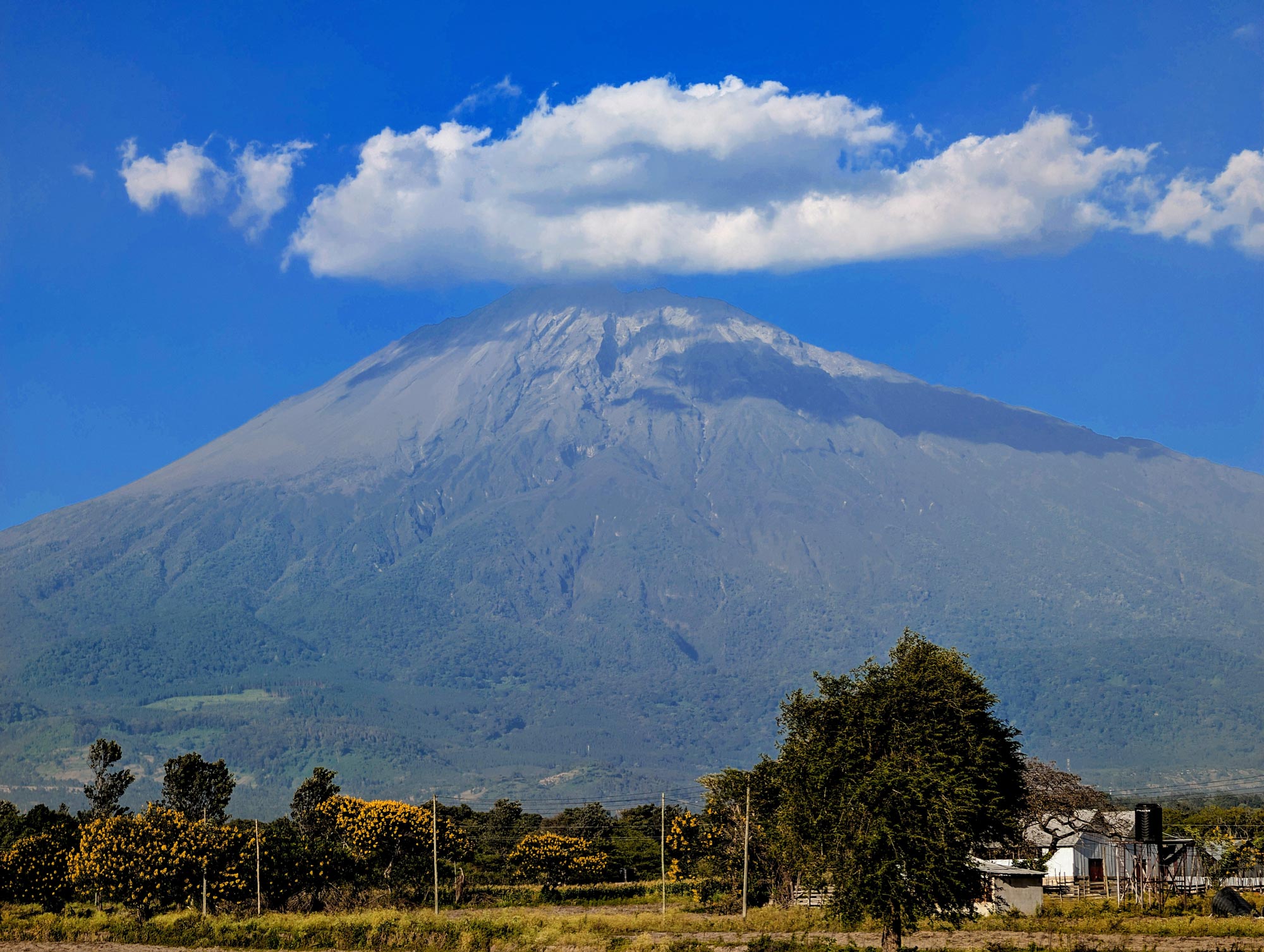
Mount Meru is the most prominent geographical feature of the park and one of the main reasons many travelers visit the area. Its slopes shape the park’s climate, vegetation and wildlife habitats, while its summit provides panoramic views when the weather is clear.

The mountain has forested lower slopes, higher montane vegetation and rocky upper sections. The changing vegetation creates different habitats as hikers gain elevation, making the trek both physically demanding and ecologically interesting.

A Mount Meru climb usually takes several days and requires preparation, a guide, porters where appropriate and suitable mountain equipment. Trekkers should be prepared for cold temperatures at higher elevations, changing weather and the effects of altitude.

Ngurdoto Crater

Ngurdoto Crater is one of the park’s most recognizable landscapes. This volcanic crater is surrounded by steep, forested slopes and creates a natural basin containing grassland, wetlands and seasonal water sources.

The crater floor attracts buffaloes, warthogs and other herbivores. The surrounding forest may also support monkeys, birds and smaller mammals. Because the crater is enclosed by steep walls, it provides a dramatic setting for wildlife observation and landscape photography.

Momella Lakes

Momella Lakes consist of a group of shallow alkaline lakes surrounded by grassland, forest and mountain scenery. The lakes differ in size, depth and appearance, and their colors may change depending on mineral content, algae, water levels and seasonal conditions.

The lakes attract numerous birds, including flamingos and other water associated species. Buffaloes, giraffes, zebras and other animals are also found around the surrounding plains, particularly where water and fresh vegetation are available.

Montane Forest

The forested areas of Arusha National Park provide habitat for several primate species and many forest birds. The cool, shaded environment is very different from the open plains found in Serengeti National Park.

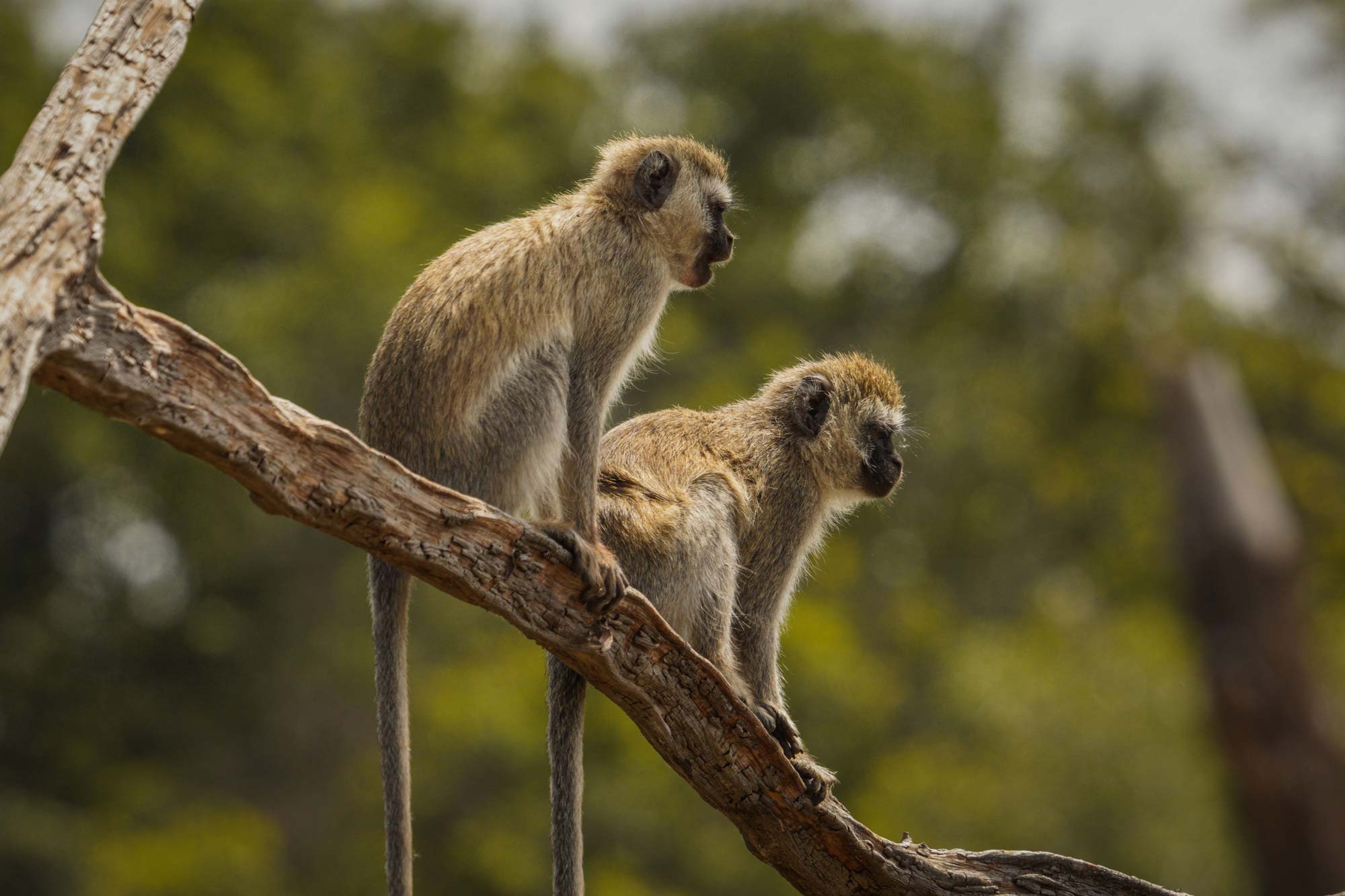
Blue monkeys and black-and-white colobus monkeys are among the species visitors look for. Baboons may also be seen in forest edges and open areas. The forest supports a wide range of plants, vines, ferns and flowering species that contribute to the park’s biodiversity.

Bird Watching in Arusha National Park

Arusha National Park is an excellent destination for bird enthusiasts because it contains a combination of forest, lakes, wetlands, grasslands and mountain habitats. This range of environments supports a broad variety of resident and migratory species.

Birds commonly associated with the park include flamingos, African fish eagles, herons, egrets, crowned cranes, hornbills and various sunbirds. Depending on the season and location, visitors may also encounter raptors, woodland birds, waterfowl and colorful forest species.

The exact species seen during a visit depend on habitat, season, weather and the amount of time spent in the park. Water levels at the lakes can also influence which birds are present and where they gather.

Activities in Arusha National Park

Game Drives

Game drives remain one of the easiest ways to explore the park. A safari vehicle allows visitors to cover more ground and reach different habitats within a single day.

A safari vehicle takes you through open grasslands, forest edges and the Momella area while your guide searches for wildlife. Guides use their knowledge of animal behavior, recent sightings, tracks and seasonal conditions to select suitable routes.

Morning drives often provide comfortable temperatures and active wildlife. Animals may be feeding, moving between habitats or visiting water sources. Afternoon drives offer different lighting and opportunities around lakes, forest edges and open plains.

Walking Safaris

Walking safaris provide an experience that differs from vehicle based wildlife viewing. Instead of focusing only on large animals, walking allows you to notice tracks, insects, plants, bird calls and changes in the landscape.

A trained armed ranger accompanies visitors throughout the activity. The ranger explains how to move safely, how to interpret signs of wildlife and how to respond if large animals are nearby.

Walking safaris also give you an opportunity to experience the sounds and atmosphere of the forest and grassland more closely. The activity is suitable for travelers who enjoy nature, photography, learning and a slower pace.

Canoeing on Momella Lakes

Canoeing offers a peaceful way to explore the Momella Lakes. The activity provides a low-impact perspective of the shoreline and surrounding landscape.

From the canoe, you might observe waterbirds and wildlife near the shoreline while enjoying views of Mount Meru. The quiet movement of the canoe can allow visitors to approach certain areas without the noise associated with a safari vehicle.

Weather and park conditions influence canoeing availability, so arrangements should be confirmed when planning your safari. Visitors should follow the instructions of the activity guide and wear any required safety equipment.

Bird Watching

Bird watching is possible throughout the park, with Momella Lakes and forest habitats offering particularly good locations. Open grasslands, wetlands and forest edges each attract different species.

Early morning is often a productive period because birds tend to be active and temperatures are comfortable. Late afternoon can also be rewarding, especially around water sources and forest clearings.

Mount Meru Trekking

Mount Meru trekking is one of the park’s major adventure experiences. The climb passes through different vegetation zones before reaching the rocky summit area.

Trekkers usually spend several days on the mountain to allow enough time for ascent, acclimatization and descent. The route requires stamina because of steep sections, high altitude and changing weather.

Preparation should include physical training, layered clothing, sturdy hiking boots, a sleeping bag suitable for cold conditions and personal medication. Trekkers must also follow the instructions of their guides and rangers throughout the climb.

Best Time to Visit Arusha National Park

June to October

The dry season generally offers comfortable safari conditions, lower humidity and relatively stable weather. Roads and walking trails are often easier to use, although conditions can still change in the mountain areas.

Vegetation becomes less dense in many areas, and wildlife may gather around available water sources. Open grasslands can provide good visibility for giraffes, zebras and buffaloes.

This period is also suitable for walking and mountain trekking, although weather conditions on Mount Meru remain changeable. Mornings and evenings can be cold, especially at higher elevations.

November to December

Short rains bring fresh vegetation and greener landscapes. The park becomes more colorful, and rain showers may create attractive reflections around the lakes and wetlands.

Birdlife becomes particularly attractive during this period because migratory species may be present. The scenery is also excellent for photography, with clearer vegetation and dramatic clouds around Mount Meru.

Rain showers do not necessarily prevent safari activities, but roads and trails may become wetter. Visitors should carry rain protection and remain flexible with activity schedules.

January to February

These months often provide a combination of green scenery and relatively good weather. Rainfall may be intermittent, and many days remain suitable for game drives and walking activities.

This period is suitable for visitors interested in landscapes, bird watching, wildlife and Mount Meru trekking. The park may feel less crowded than during the busiest dry-season months.

Travelers should still prepare for cool mornings, occasional rain and changing mountain conditions, particularly if they plan to climb Mount Meru.

March to May

The long rains bring heavier rainfall and the park becomes lush and green. Water levels may rise, vegetation becomes dense and some roads or trails can become muddy.

Fewer tourists visit compared with the peak dry season, so travelers who do not mind rain can enjoy quieter trails and a more peaceful atmosphere. Accommodation and safari services may also offer lower seasonal rates.

How to Get to Arusha National Park

From Arusha City

The park is roughly 25 km from Arusha city. The journey normally takes less than an hour depending on your starting point, traffic and park gate.

Most safari operators collect visitors from hotels, lodges or guesthouses in Arusha. The drive provides an easy transition from the city environment to the forested and mountainous landscapes around the park.

From Kilimanjaro International Airport

Kilimanjaro International Airport is located between Arusha and Moshi. Travelers arriving through the airport often combine an Arusha National Park visit with other northern circuit destinations.

Depending on your arrival time, you may travel directly to accommodation near Arusha or begin a park visit after resting. Many visitors use the airport as the starting point for itineraries that include Arusha National Park, Tarangire, Ngorongoro and Serengeti.

From Arusha Airport

Arusha Airport is also convenient for travelers using domestic or charter flights. It serves routes connecting Arusha with other destinations in Tanzania.

Your safari operator normally arranges transportation from your hotel or airport to the park entrance. Confirm pickup times, luggage arrangements and the type of vehicle before beginning your trip.

Arusha National Park Safari from Arusha
A typical one day Arusha National Park safari begins with an early morning pickup from your hotel. Starting early helps you avoid the hottest part of the day and gives you more time for wildlife viewing.

After breakfast, you drive toward the park and complete the entrance formalities before beginning your wildlife exploration. Your guide checks the planned route, confirms the activities and explains the day’s schedule.

Your guide selects routes based on wildlife movement, weather and your interests. If you are interested in birds, the route may focus on Momella Lakes and forest habitats. If you prefer large mammals, the guide may spend more time in open grasslands and forest edges.

The safari may include the Momella area, crater viewpoints, forest zones and open grasslands. Each area offers different scenery and wildlife opportunities, so the day can include both game viewing and landscape photography.

A picnic lunch provides a break during the day before continuing with wildlife viewing. Visitors should keep food stored securely and avoid feeding animals, even when wildlife approaches the vehicle.

In the afternoon, you continue exploring before leaving the park and returning to Arusha. The return journey usually provides time to relax after a full day outdoors.

Accommodation Near Arusha National Park

Visitors have several accommodation options around Arusha city, Usa River, the park area and nearby communities. These include hotels, guesthouses, tented camps, lodges and luxury properties.

Choices range from budget campsites and guesthouses to mid-range lodges and luxury properties. Some accommodations offer gardens, mountain views, swimming pools, restaurants and organized transfers to the park.

Your choice depends on your safari budget, travel style and itinerary. Travelers with early departures may prefer accommodation closer to the park, while those combining the visit with city activities may choose to stay in central Arusha.

For a one-day Arusha National Park safari, staying in Arusha often provides the simplest arrangement. For a longer visit, staying closer to the park reduces daily driving time and allows easier access to early morning activities.

Start Planning Your Dream Trip with Us!

Booking form

Everything You Need to Know About Your Safari

Planning Your Safari? Find Your Answers Here

Start Planning Your Dream Trip with Us!

Is Arusha National Park worth visiting?

Yes. The park offers wildlife, mountain scenery, crater landscapes, forests, lakes, birdlife and outdoor activities close to Arusha city. It is especially worthwhile for travelers who want more than a traditional game drive or who have limited time in northern Tanzania.

The park is approximately 25 km from Arusha city, making it one of the most accessible national parks in northern Tanzania. The journey usually takes less than an hour, although travel time depends on traffic, the selected entrance and road conditions

Visitors often see giraffes, buffaloes, zebras, warthogs, waterbucks, bushbucks, monkeys and various antelopes. Elephants and predators are present but sightings vary according to season, habitat and animal movement.

Yes. Its proximity to Arusha makes it suitable for a full-day safari, especially for travelers with limited time. A one day visit can include game viewing, Momella Lakes, crater viewpoints and selected forest areas.

On clear days, Mount Kilimanjaro may be visible from suitable viewpoints. Weather, cloud cover and atmospheric haze determine the quality of the view, so sightings cannot be guaranteed.