Horse Riding Safari

Experience the Wild at the Pace of a Horse

Safari Overview

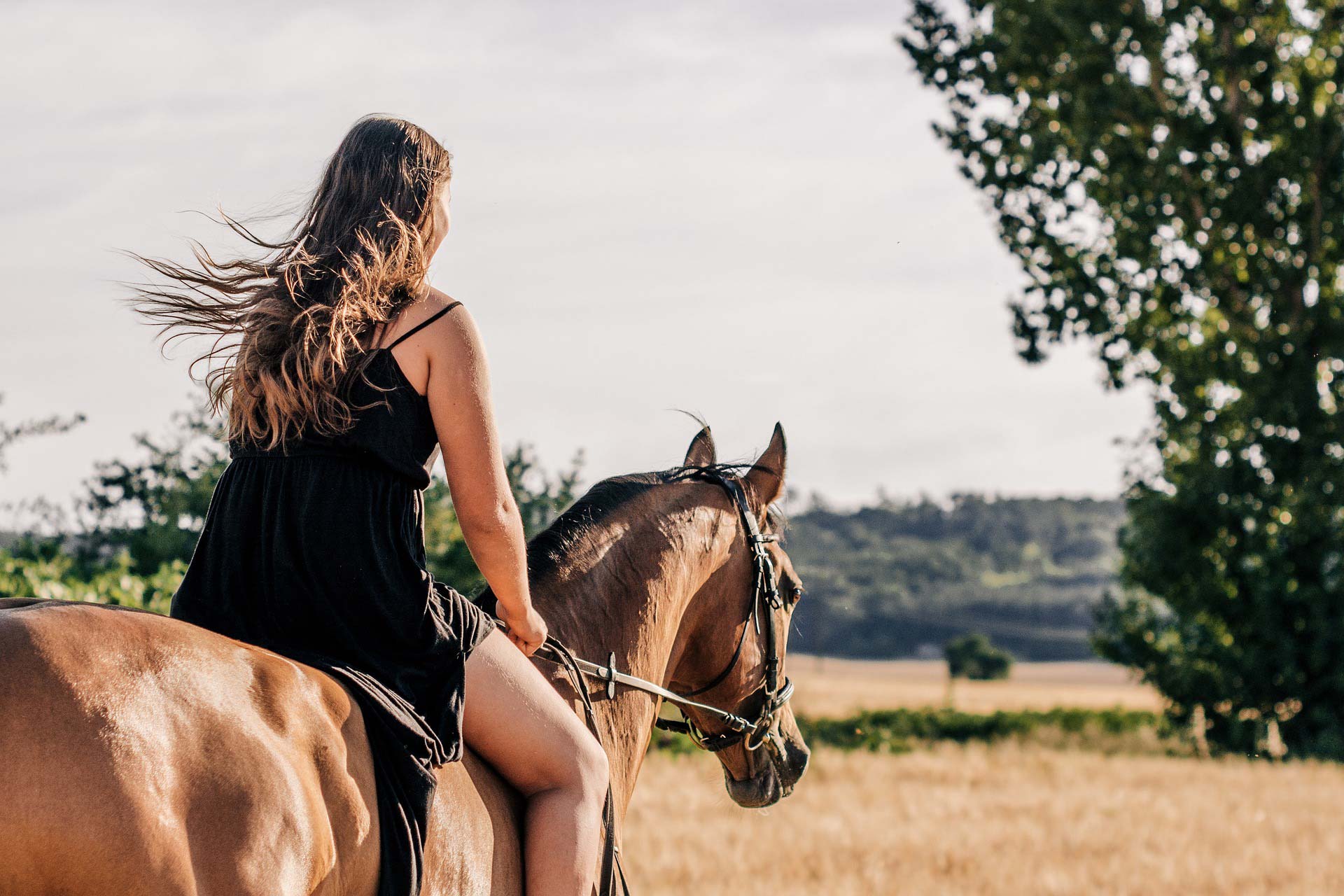
There is a different way to move through the African wilderness one without the hum of an engine, without the dust trail of a vehicle, and without the sense of observing from a distance. On a horse riding safari in Tanzania you become part of the landscape. The rhythm of hooves replaces the sound of a 4×4. Wildlife reads you as another herd animal rather than a threat. And the open plains, volcanic horizons and ancient migration routes open up in a way that feels intimate, exhilarating and profoundly free.


Tanzania’s horseback safaris take place in some of the country’s most dramatic and least-crowded corners: the foothills of Mount Kilimanjaro, the vast short-grass plains of the southern Serengeti and Ngorongoro Conservation Area, and remote stretches of private wilderness. These are not gentle trail rides. They are proper mobile expeditions designed for intermediate to advanced riders who want long hours in the saddle, fit and responsive safari horses, and the chance to canter alongside zebra, wildebeest and giraffe under big East African skies.

What Makes Riding Different

From the saddle you notice details that vehicles miss. You hear the wind in the grass, the alarm call of a bird, the soft thud of hooves on dry earth. Plains game often allow you to approach more closely because a horse and rider appear as a single, non-threatening silhouette. Giraffes turn their heads slowly to watch you pass. Herds of zebra may break into a run and invite you to keep pace for a few thrilling moments. Elephants can appear suddenly among the acacias, calm and curious rather than alarmed.


The physical freedom is equally powerful. Days typically involve four to six hours of riding, covering open plains, riverbeds, rocky outcrops and acacia woodland. There are long canters across short-grass savannah, careful walking through denser bush, and the occasional heart-lifting gallop when the terrain and wildlife allow. Mobile camps move with you, so each evening brings a new horizon and a night under canvas with the sounds of the bush around you.

Where the Best Riding Happens

Kilimanjaro & West Kilimanjaro
Ride in the shadow of Africa’s highest mountain. The landscape shifts between open plains, volcanic foothills and acacia forest. Expect giraffe, zebra, buffalo, eland and the occasional elephant or cheetah. These rides often combine wildlife with cultural encounters among Maasai communities and deliver some of the most photogenic mountain backdrops in East Africa.

Southern Serengeti & Ngorongoro Conservation Area
This is the classic migration riding experience, especially between January and March when the wildebeest calve on the short-grass plains. Mobile camps follow the herds. You ride through the same country that has supported this ancient cycle for millennia, sometimes passing near Olduvai Gorge   the Cradle of Humankind   with views toward Ol Doinyo Lengai, Tanzania’s active volcano. Predator action can be intense during calving season, and the sense of space is immense.

Private conservancies and quieter corridors
In areas such as the Grumeti region or lesser known northern routes toward Lake Natron, the riding feels even more exclusive. Fewer vehicles, more room to move, and the chance to explore terrain that remains largely off the standard safari circuit.

Who These Safaris Suit

Horse riding safaris in Tanzania are best for confident intermediate to advanced riders who are comfortable with long hours in the saddle, riding at a forward pace, and handling horses in open country among wildlife. The horses are purpose bred and trained safari animals typically strong, forward-going crosses that respond well to neck-reining and remain calm around game. Groups are kept small, guides are highly experienced, and safety protocols around dangerous game are strict.


For couples or honeymooners seeking something beyond standard game drives, a few days on horseback can become the defining adventure of the trip  especially when paired with a more conventional safari or a beach extension on Zanzibar. The shared physical challenge, the quiet intimacy of riding side by side, and the evenings in remote camps create a different kind of connection to both the landscape and each other.

The Everyday Magic

Mornings begin early with coffee and a light breakfast before mounting up as the light softens the plains. You ride through changing light and terrain, stopping for a bush lunch or a quiet rest in the shade. Afternoons often bring another session in the saddle or a switch to a game drive if big cats are active. Evenings bring sundowners at a carefully chosen viewpoint, followed by dinner under the stars and the soft sounds of horses grazing nearby.


No two days are the same. The route flexes with weather, wildlife movement and the mood of the group. That flexibility is part of the appeal  you are not following a fixed road, but reading the land the way the animals do.


A horse riding safari in Tanzania is not the easiest or most accessible way to experience the country. It demands fitness, riding ability and a willingness to embrace the rawer side of safari life. In return it offers something rare: the feeling of moving through wild Africa at its own pace, close enough to hear the grass, far enough to feel completely free.

A Typical Day on a Horse Riding Safari

Mornings begin early. Coffee is served as the light softens the plains. After a light breakfast you mount up and ride out while the air is still cool. The route is flexible guides read the land, the weather and the movement of game, adjusting as the day unfolds. You may canter across open grassland, walk carefully through woodland, or pause to watch a herd of giraffe or a distant pride of lions.

Midday brings a bush lunch or a rest in the shade. Afternoons often include another riding session or a switch to a game drive if big cats are active and riding would be less appropriate. Evenings are spent at a carefully chosen viewpoint for sundowners, followed by dinner under the stars. Horses graze quietly nearby. The night sky is undimmed by city light. Camps are comfortable but deliberately simple canvas tents, bucket showers or proper ablutions depending on the operator, and the constant soundtrack of the African night.

Practical Considerations

  • Riding level: Intermediate to advanced is the standard requirement. Operators assess ability carefully.
  • Fitness: Days are physically demanding. A reasonable level of riding fitness and general fitness helps.
  • Best time: January–March for the southern plains and calving season; June–October for drier conditions and excellent general game viewing.
  • Duration: Most mobile riding safaris run 5–9 nights. Shorter day rides or 2–3 night options exist near Arusha and Kilimanjaro for those with limited time.
  • Combination: Many travellers add a few nights of vehicle safari or a beach extension on Zanzibar after the riding portion.

A horse riding safari in Tanzania is not the easiest or most accessible way to experience the country. It asks for fitness, riding ability and a willingness to embrace a more physical, less scheduled form of safari. In return it offers something increasingly rare: the feeling of moving through wild Africa at its own pace, close enough to hear the grass, free enough to feel completely present.

Why Horseback Changes Everything

A vehicle places you above and apart from the landscape. A horse places you inside it. You notice the texture of the ground, the subtle shifts in light, the way a herd of zebra turns its collective head when you approach. Giraffes watch with mild curiosity. Elephants may appear suddenly among the acacias, calm rather than alarmed. On open plains there are moments when a herd breaks into a run and you are invited  if the terrain and safety allow  to keep pace for a few exhilarating seconds. Those moments stay with riders long after the trip ends.

The physical freedom is equally powerful. Days typically involve four to six hours of riding, covering open savannah, riverbeds, rocky outcrops and acacia woodland. There are long canters across short grass, careful walking through denser bush, and the occasional heart-lifting gallop when conditions are right. Mobile camps move ahead of the group, so each evening brings a new horizon, a new campfire, and a night under canvas with the sounds of the bush around you.
Start Planning Your Dream Trip with Us!

Booking form

Everything You Need to Know About Your Safari

Planning Your Safari? Find Your Answers Here

Start Planning Your Dream Trip with Us!

Where is Serengeti National Park located?

Serengeti National Park is located in northern Tanzania and forms part of the larger Serengeti ecosystem, which extends into Kenya’s Maasai Mara National Reserve. The park is approximately 325 kilometers (202 miles) from Arusha and is accessible by both road and domestic flights.

Serengeti National Park is best known for the Great Migration, one of the world’s most spectacular wildlife events. Every year, over 1.5 million wildebeest, along with hundreds of thousands of zebras and gazelles, migrate across the Serengeti in search of fresh grazing, attracting predators such as lions, cheetahs, and crocodiles.

The Serengeti is a year round safari destination. January to March is ideal for the wildebeest calving season, while June to October offers excellent wildlife viewing during the dry season. August to October is particularly popular for witnessing the dramatic Mara River crossings in the northern Serengeti.

Serengeti National Park is home to the Big Five lion, leopard, elephant, buffalo, and black rhinoceros as well as cheetahs, giraffes, hippos, crocodiles, hyenas, wildebeest, zebras, gazelles, and more than 500 bird species, making it one of Africa’s richest wildlife destinations.

A stay of 3 to 5 days is recommended to fully experience the park’s diverse landscapes and wildlife. Travelers interested in following the Great Migration or exploring different regions of the park may prefer spending 5 to 7 days for a more comprehensive safari experience.