
WALKING SAFARIS
Experience Tanzania on foot
Safari Overview
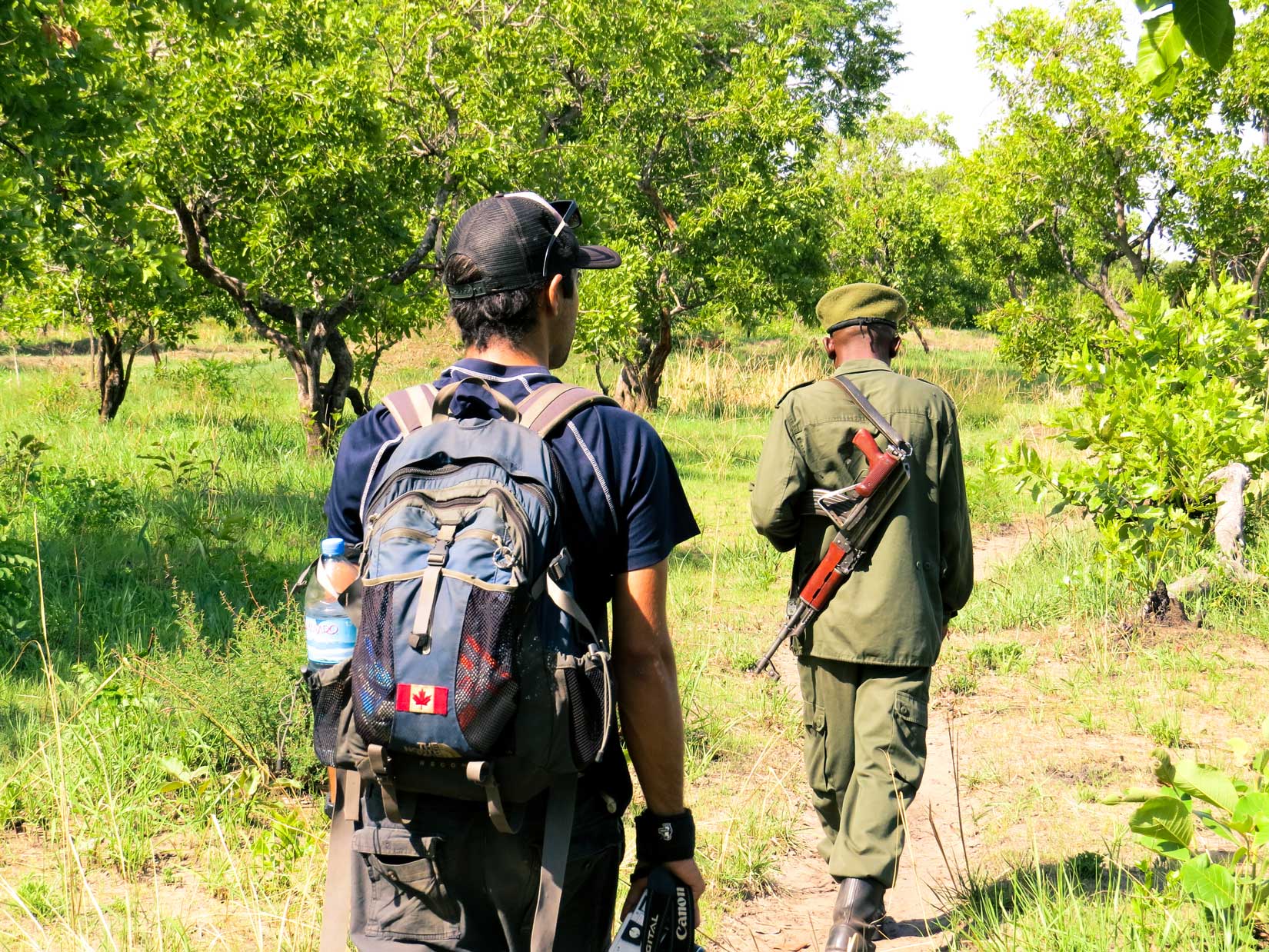
A Tanzania walking safari offers a closer and more detailed way to experience the African wilderness. Instead of viewing nature only from a safari vehicle, you walk through the landscape with an experienced guide and learn to recognize animal tracks, calls, plants, insects, birds, and other signs of wildlife.
Walking changes the pace of a safari. You have time to listen to the sounds of the bush, examine footprints, study vegetation, and understand how animals use their environment.
A walking safari does not focus only on finding large animals. It is about understanding the entire ecosystem and experiencing the wilderness through sight, sound, smell, and movement.
Depending on the destination, walking safaris range from short nature walks lasting a few hours to multi-day walking adventures with overnight camping in the wilderness.
What makes a walking safari special
Walking gives you a different perspective of Tanzania’s natural environment.
From a vehicle, you might see an elephant, giraffe, or lion. On foot, you begin noticing the smaller details around it.
Your guide might point out:
• Fresh animal footprints
• Droppings and dung
• Broken branches
• Feeding marks
• Scratch marks
• Bird calls
• Insect activity
• Animal trails
• Different plant species
• Water sources
• Signs of recent wildlife movement
These details help you understand what is happening around you before you even see an animal.
The experience also provides an opportunity to learn traditional tracking skills and understand how guides read the landscape.
Best destinations for walking safaris in Tanzania
Arusha National Park
Arusha National Park offers excellent opportunities for guided walking experiences close to Mount Meru.
The park includes forests, open grasslands, volcanic landscapes, lakes, and wildlife habitats. Walking routes provide opportunities to observe giraffes, buffaloes, zebras, monkeys, birds, and smaller wildlife from a different perspective.
The combination of mountain scenery and accessible walking trails makes the park suitable for travelers looking for an introduction to walking safaris.
Tarangire National Park
Tarangire is known for elephants, baobab trees, seasonal wetlands, and diverse wildlife.
Guided walks around approved areas provide opportunities to learn about animal tracks, plants, insects, birds, and the relationship between wildlife and water.
Walking through the Tarangire ecosystem also provides an opportunity to understand how animals adapt to seasonal changes.
Lake Manyara National Park
Lake Manyara provides a combination of forest, woodland, grassland, and wetland environments.
Walking activities in permitted areas provide opportunities to observe birds, plants, insects, and smaller wildlife while learning about the park’s ecological systems.
Serengeti National Park
Walking experiences in the Serengeti are available in designated areas and under approved guiding arrangements.
The open plains provide opportunities to learn about tracks, grasses, insects, birds, and wildlife movement.
Walking is especially valuable for understanding the smaller elements of the Serengeti ecosystem.
Ngorongoro Conservation Area
The Ngorongoro highlands provide opportunities for guided walks through scenic landscapes.
Depending on the selected route, you might explore forest, grassland, crater viewpoints, waterfalls, volcanic landscapes, and local communities.
Walking experiences around the highlands also provide opportunities to learn about local Maasai culture and traditional relationships with the environment.
Walking safari highlights
Wildlife tracking
Learn how guides identify animal movements from footprints, dung, feeding marks, scratches, broken vegetation, and other signs.
Bush skills
Your guide explains practical knowledge used to understand the environment, including plants, water sources, animal behavior, weather, and navigation.
Bird watching
Walking brings you closer to bird habitats. Without engine noise, you have more time to listen for calls and observe birds in trees, grasslands, forests, and wetlands.
Plant identification
Learn about native plants and how animals interact with them. Your guide might explain which plants provide food, shelter, medicine, or water.
Small wildlife
Walking allows you to notice creatures often overlooked during game drives, including insects, reptiles, frogs, butterflies, and smaller mammals.
Landscape exploration
Walking provides time to appreciate the surrounding environment at a natural pace. Mountains, rivers, forests, grasslands, and valleys become part of the experience.
Photography
Walking provides opportunities for close-up photography of plants, insects, tracks, birds, landscapes, and other details.
Walking safari for different travelers
First time safari travelers
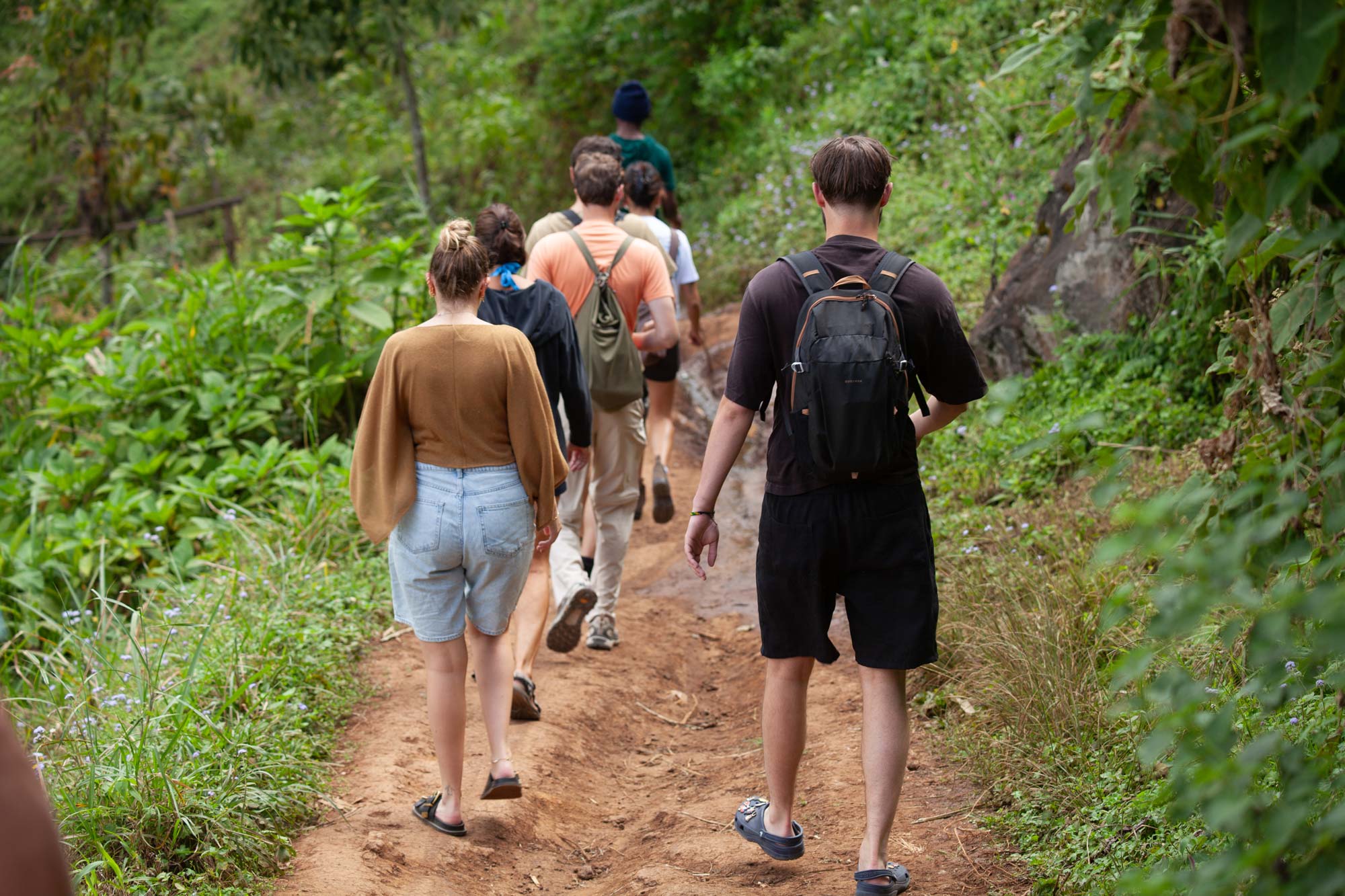
Walking provides an introduction to wildlife beyond traditional vehicle-based game drives.
Adventure travelers
Those looking for active outdoor experiences can combine walking with camping, hiking, cycling, canoeing, or wildlife safaris.
Families
Short guided nature walks are suitable for families where age, fitness, location, and park regulations permit.
Couples
Private walking experiences provide a peaceful way to explore nature together.
Photographers
Walking offers opportunities to photograph birds, insects, plants, tracks, landscapes, and smaller wildlife from different angles.
Birdwatchers
Walking reduces engine noise and provides more time to listen for bird calls and explore forest, wetland, and woodland habitats.
Experienced hikers
Longer walking routes and multi-day walking safaris provide a more demanding wilderness experience.

Walking safari safety
Safety is the highest priority during a walking safari.
Before departure, your guide provides instructions on how to move, where to walk, and how to respond to wildlife.
During the walk:
• Stay close to your guide
• Follow instructions immediately
• Walk quietly
• Do not run
• Maintain a safe distance from wildlife
• Never approach animals independently
• Avoid sudden movements
• Do not feed wildlife
• Stay on approved routes
• Keep your belongings secure
• Inform your guide about fatigue or discomfort
• Drink water regularly
Your guide selects the route based on current wildlife activity, weather, terrain, and local regulations.
Best time for a walking safari
Walking safaris are available during different periods of the year, depending on the destination and local conditions.
Dry periods often provide easier trail conditions and good visibility. Wet periods bring greener landscapes, fresh vegetation, insects, flowers, and increased bird activity.
Early morning is often a productive time for walking because temperatures are cooler and wildlife and birds are active.
Your tour operator selects routes according to current weather, trail conditions, wildlife activity, and park regulations.
Walking safari and camping
For travelers looking for a deeper wilderness experience, walking can be combined with camping.
A multi-day walking safari might include:
• Guided morning walks
• Afternoon walks
• Bush meals
• Wilderness camping
• Wildlife tracking
• Bird watching
• Campfire evenings where permitted
• Night sounds
• Nature interpretation
Why choose a walking safari?
• Experience Tanzania on foot
• Learn wildlife tracking techniques
• Explore nature at a slower pace
• Observe smaller wildlife
• Listen to birds and animal sounds
• Learn about plants and ecosystems
• Enjoy guided outdoor adventure
• Experience landscapes away from vehicle routes
• Improve your understanding of wildlife behavior
• Combine walking with camping
• Enjoy photography opportunities
• Combine walking with traditional game drives
Start Planning Your Dream Trip with Us!
- Faq's
Everything You Need to Know About Your Safari
What is a walking safari?
A walking safari is a guided wildlife and nature experience where travelers explore the wilderness on foot instead of relying only on a safari vehicle.
Is a walking safari safe?
Guided walking safaris follow established safety procedures. Your guide selects suitable routes, monitors wildlife activity, and provides instructions throughout the walk.
Do I need hiking experience?
No. Short walking safaris are suitable for many first-time hikers. Longer routes require better fitness and preparation.
What wildlife might I see while walking?
Depending on the destination, you might encounter birds, giraffes, elephants, buffaloes, antelopes, monkeys, reptiles, insects, and other wildlife. Sightings depend on location, season, and animal movements.
Will I see lions while walking?
Large predators are present in some walking safari areas, but guides maintain safe distances and select routes according to current wildlife activity. Sightings are never guaranteed.