
BIRD WATCHING SAFARIS

Explore Tanzania through its incredible birdlife

Safari Overview

A Tanzania bird watching safari offers an opportunity to explore the country’s diverse ecosystems while searching for resident and migratory bird species. From open savannahs and wetlands to forests, lakes, rivers, mountains, and coastal habitats, Tanzania provides a wide range of environments for bird enthusiasts.


Bird watching safaris combine wildlife observation, nature exploration, photography, and peaceful time in the wilderness. With an experienced birding guide, you learn to identify birds by appearance, calls, behavior, habitat, and flight patterns.


Tanzania is home to hundreds of bird species, including colorful bee-eaters, kingfishers, rollers, hornbills, eagles, vultures, storks, flamingos, weavers, sunbirds, ostriches, and many other species.

Whether you are a dedicated birder, wildlife photographer, nature lover, or traveler looking for a different safari experience, bird watching adds another dimension to exploring Tanzania.

What makes bird watching in Tanzania special
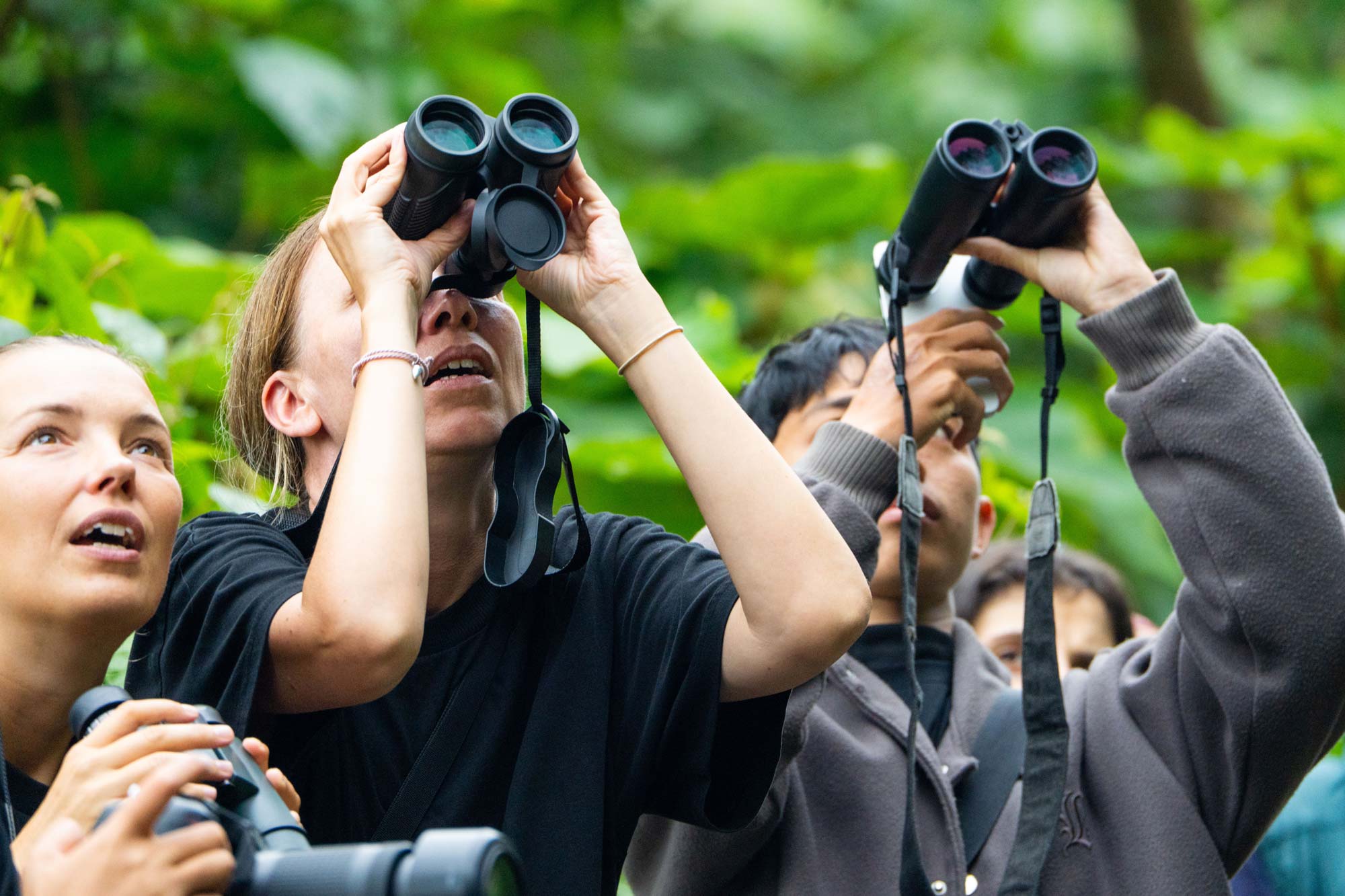
Bird watching provides a slower and more detailed way to experience the natural environment. Instead of focusing only on large mammals, you begin noticing smaller movements, bird calls, nesting behavior, feeding patterns, and seasonal changes.

A single game drive might produce sightings of birds perched on trees, flying across open plains, feeding near water, following large mammals, or moving through woodland.

Tanzania’s different habitats support different bird communities. This allows you to combine several destinations and experience a broad range of species during one safari.

Best bird watching destinations in Tanzania

Serengeti National Park

The Serengeti is famous for large mammals, but its birdlife provides another major attraction. Open grasslands, woodland, rivers, kopjes, and seasonal wetlands support a wide variety of birds.

You might encounter secretary birds, kori bustards, ostriches, vultures, eagles, rollers, starlings, hornbills, and many smaller grassland species.

The open landscapes also provide good conditions for observing birds in flight and photographing species against clear backgrounds.


Ngorongoro Conservation Area

The Ngorongoro landscape includes forests, crater grasslands, wetlands, highlands, and agricultural areas. These varied habitats attract different bird species.

The crater floor offers opportunities to observe flamingos and other water-associated birds around wetlands, while the surrounding highlands support forest and montane species.


Tarangire National Park

Tarangire is known for elephants and large baobab trees, but it is also an excellent destination for bird enthusiasts.

Woodland, grassland, seasonal swamps, and riverine habitats create opportunities to observe species such as hornbills, starlings, bee-eaters, rollers, eagles, vultures, and other birds.


Lake Manyara National Park

Lake Manyara provides a strong combination of forest, wetland, lake, and open habitat.

The lake attracts waterbirds, while the surrounding forest supports forest species. Depending on the season, you might observe flamingos, pelicans, storks, herons, egrets, kingfishers, and other birds.


Arusha National Park

Arusha National Park provides varied habitats around Mount Meru, including montane forest, open grassland, crater landscapes, and lakes.

The Momella Lakes are especially useful for observing waterbirds, while forest areas provide opportunities to search for colorful forest species.


Lake Natron

Lake Natron is a distinctive birding destination, particularly known for flamingos. Its shallow alkaline waters provide important habitat for large numbers of lesser flamingos during suitable conditions.

The surrounding volcanic landscape also supports other bird species, creating opportunities for combining birding with landscape photography.


Ruaha National Park

Ruaha offers extensive woodland, river systems, open plains, and baobab landscapes.

The park supports numerous raptors and woodland species, making it particularly interesting for travelers interested in birds of prey and dry country birdlife.

Top bird watching highlights

Resident bird species

Tanzania supports a large number of resident bird species throughout its different ecosystems. These species remain in the country throughout the year, although their distribution varies between habitats.

Migratory birds

Seasonal migration adds another layer to Tanzania’s birdlife. During suitable periods, migratory species arrive from Europe, Asia, and other regions, increasing the variety of birds observed during a safari.

Birds of prey

Raptors are among the most exciting subjects for bird watchers.

Possible sightings include:

• African fish eagles
• Martial eagles
• Tawny eagles
• Bateleurs
• Long-crested eagles
• Vultures
• Kites
• Harriers
• Falcons
• Hawks

Common sightings might include:

• Flamingos
• Pelicans
• Herons
• Egrets
• Storks
• Ibises
• Kingfishers
• African jacanas
• Ducks
• Geese
• Cormorants

Colorful birds

Tanzania has many brightly colored birds that attract photographers and birding enthusiasts.

Look for:

• Lilac-breasted rollers
• Bee-eaters
• Sunbirds
• Kingfishers
• Starlings
• Turacos
• Weavers
• Hornbills

Bird watching by habitat

Savannah

Open grasslands provide excellent visibility and support ostriches, bustards, secretary birds, rollers, eagles, vultures, and many smaller species.


Woodland

Woodland habitats support hornbills, starlings, barbets, woodpeckers, eagles, and other tree-associated birds.


Wetlands

Wetlands attract flamingos, herons, egrets, storks, jacanas, kingfishers, ducks, and other waterbirds.


Forest

Forest birding focuses on species living within the canopy, understory, and forest edges.


Rivers and lakes

Water environments provide opportunities to observe fish eagles, kingfishers, cormorants, pelicans, herons, crocodile-associated birdlife, and other species.


Coastal areas

Tanzania’s coastal and island environments provide opportunities to observe seabirds, shorebirds, forest birds, and other species associated with coastal ecosystems.

Bird watching for different travelers

Dedicated birders

Specialized birding itineraries provide more time for identifying species, recording sightings, and exploring different habitats.


Wildlife enthusiasts

Travelers interested in general wildlife benefit from adding bird watching to traditional game drives.


Photographers

Bird photography provides opportunities to work with fast-moving subjects, natural backgrounds, flight photography, and detailed portraits.


Families

Bird watching introduces children to nature and encourages careful observation. Shorter activities are suitable for younger travelers depending on the location and conditions.


Couples

Bird watching provides a peaceful outdoor activity that combines nature, photography, and wildlife observation.

First-time birders

You do not need extensive birding knowledge. A guide helps identify species and teaches basic birding techniques throughout the safari.

Best time for bird watching in Tanzania

Dry season

Dry conditions often provide easier access to roads and open habitats. Birds are also easier to observe in some areas because vegetation is less dense.

Wet and green season

Rainfall brings fresh vegetation, insects, breeding activity, and increased bird activity in many areas.

Migratory season

Certain periods of the year bring migratory birds from northern regions, increasing the number of species present.

The ideal travel period depends on your target species, preferred destinations, and interest in resident or migratory birds.

Bird watching safari equipment

Binoculars

A good pair of binoculars is essential for identifying birds at a distance.


Camera

A camera with fast autofocus is useful for bird photography.


Telephoto lens

A long lens helps photograph birds without approaching them too closely.


Field guide

A regional bird guide helps with identification and recording sightings.


Notebook

A notebook allows you to record species, locations, dates, behavior, and other observations.


Sun protection

A hat, sunglasses, sunscreen, and suitable clothing help during long hours outdoors.

Insect protection

Insect repellent is useful when exploring wetlands, forests, and other areas where insects are common.

Why choose a bird watching safari?

• Explore Tanzania’s diverse bird habitats
• Search for resident and migratory species
• Learn from experienced birding guides
• Photograph colorful and rare-looking species
• Explore wetlands, forests, lakes, rivers, and savannahs
• Combine birding with traditional wildlife safaris
• Observe birds of prey
• Search for waterbirds
• Experience forest birding
• Explore bird-rich national parks
• Combine birding with photography
• Add cultural and nature experiences
• Combine a safari with Zanzibar

Start Planning Your Dream Trip with Us!

Booking form

Everything You Need to Know About Your Safari

Planning Your Safari? Find Your Answers Here

Start Planning Your Dream Trip with Us!

How many bird species are found in Tanzania?

Tanzania supports a large variety of resident and migratory bird species across its forests, wetlands, grasslands, mountains, lakes, rivers, and coastal areas. The exact number recorded depends on the classification and bird checklist used.

No. Beginners are welcome. Your guide explains bird identification, calls, behavior, and habitats throughout the safari.

Depending on your destination, you might see flamingos, eagles, vultures, kingfishers, rollers, bee-eaters, hornbills, ostriches, storks, herons, egrets, sunbirds, weavers, bustards, and many other species.

Binoculars are essential. A camera with a telephoto lens is useful for photography. A field guide, notebook, spare batteries, memory cards, sun protection, and insect repellent are also recommended.

Bird watching is possible throughout the year. Different seasons offer different opportunities, including resident species, breeding activity, green landscapes, and migratory birds.