
MATERUNI WATERFALLS
A hidden paradise where the beauty of Tanzania flows endlessly
Materuni Waterfalls Overview
Materuni Waterfalls is one of the most beautiful natural attractions in northern Tanzania. Located on the green slopes of Mount Kilimanjaro, the waterfall is surrounded by tropical rainforest, coffee farms and the traditional villages of the Chagga people. The destination offers a refreshing escape from busy towns and safari routes, making it an excellent choice for travelers interested in nature, culture and hiking.
The waterfall drops approximately 80 metres into a clear natural pool, creating a cool environment even during warm days. Visitors reach the falls through a scenic walk that passes coffee plantations, banana farms, local homes and forest trails.
Unlike many attractions that focus only on sightseeing, Materuni combines outdoor adventure with cultural experiences. Visitors often include a guided village walk, a traditional coffee tour and a local lunch alongside the waterfall hike.
Whether you are preparing for a Mount Kilimanjaro climb, staying in Moshi or exploring northern Tanzania, Materuni Waterfalls offers a memorable day trip suitable for individuals, couples, families and groups.
Where Is Materuni Waterfalls?
Materuni Waterfalls is located in Materuni Village, approximately 15 kilometres from Moshi town in the Kilimanjaro Region of northern Tanzania. The village is part of the rural highland communities found around Mount Kilimanjaro and is known for its fertile soil, coffee production and scenic mountain environment.
The village sits at an elevation of about 1,800 metres on the southern slopes of Mount Kilimanjaro. Its higher altitude creates cooler temperatures than Moshi town and supports lush vegetation throughout much of the year. The area receives water from the mountain, which feeds streams, farms and the waterfall.
The journey from Moshi usually takes between 30 and 45 minutes depending on road conditions, traffic and your starting location. The final section of the route may include narrow or uneven village roads, especially during the rainy season, so a suitable vehicle is recommended.
Because of its convenient location, Materuni is often included in day tours from Moshi or combined with Kilimanjaro trekking, hot springs, coffee tours and wildlife safaris. Travelers staying in Arusha can also visit, although the journey is longer and usually requires a full-day itinerary.
Materuni Waterfalls at a Glance
Location: Materuni Village, Kilimanjaro Region, Tanzania
Nearest town: Moshi
Distance from Moshi: Approximately 15 km
Waterfall height: About 80 metres
Main attractions: Waterfall, rainforest, coffee farms, banana plantations and Chagga culture
Popular activities: Hiking, swimming, coffee tours, village walks, cultural visits and photography
Best for: Nature lovers, families, photographers, coffee enthusiasts and cultural travelers
Why Visit Materuni Waterfalls?
Spectacular Waterfall
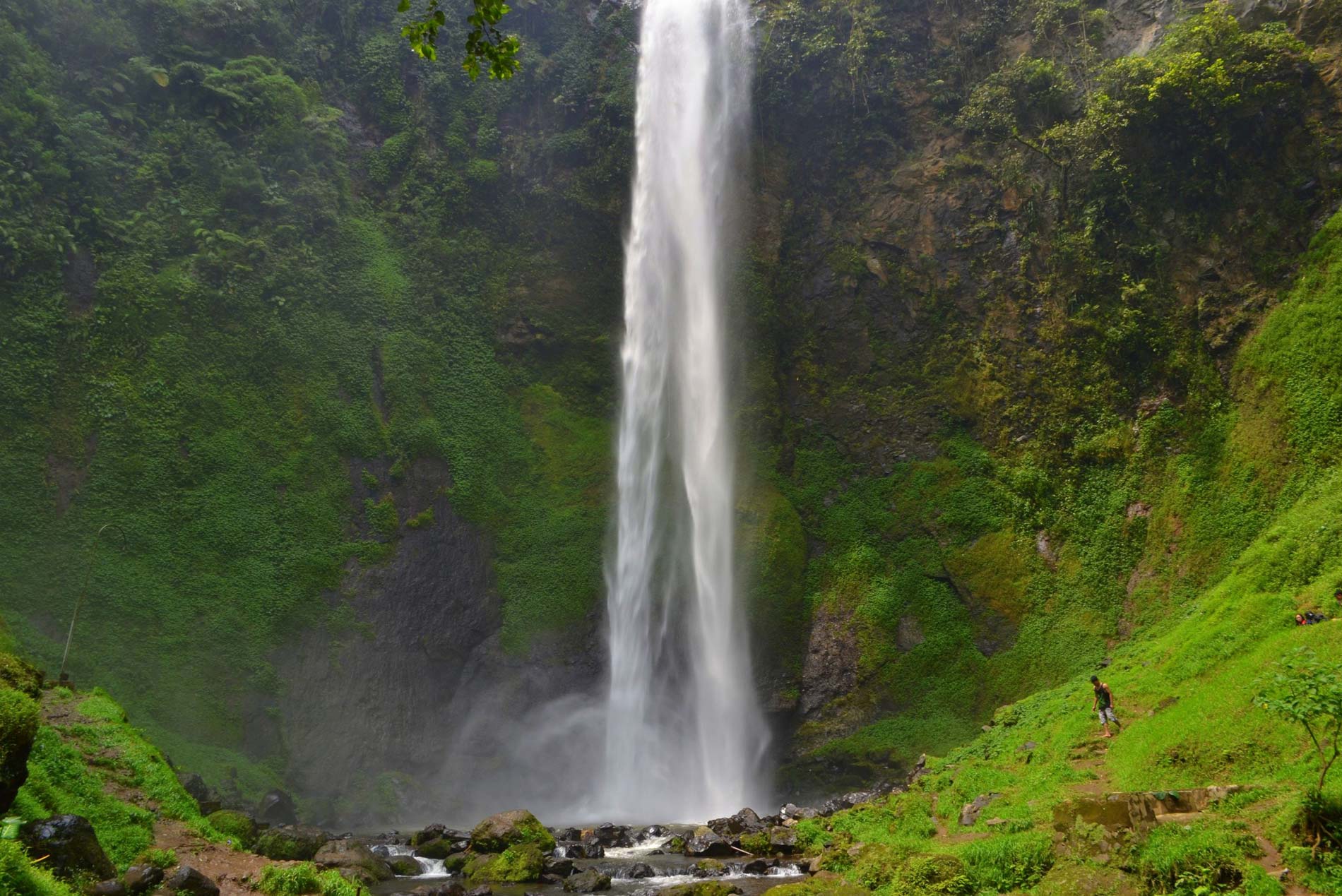
The waterfall is the highlight of the area. Water flows from the upper slopes of Mount Kilimanjaro through a narrow gorge before dropping into a clear pool below. The height and force of the falling water create a dramatic view, particularly after the rainy season when the flow is usually stronger.
The surrounding cliffs, green vegetation and mist create an impressive setting for photography and relaxation. Visitors can sit near the pool, listen to the sound of the water and enjoy the cool atmosphere created by the spray. The natural setting also makes the waterfall a peaceful place to spend time away from traffic and crowded tourist areas.
Beautiful Forest Walk
The hike to the waterfall passes through tropical forest, coffee plantations, banana farms and small agricultural plots. The trail provides changing views of the countryside and gives visitors an opportunity to observe how crops are grown in the highland environment.
Along the way, guides explain local plants, farming methods and village life, making the walk both enjoyable and educational. You may learn about medicinal plants, traditional uses of trees, coffee cultivation and the importance of water to the surrounding communities.Authentic Chagga Culture
Materuni Village is home to the Chagga people, one of Tanzania’s best-known ethnic communities. The Chagga have lived on the slopes of Mount Kilimanjaro for generations and have developed farming systems suited to the mountain environment.
Visitors learn about local traditions, farming practices, food preparation and the importance of coffee production in the region. A village visit may also include explanations of traditional homes, family life, local celebrations and the relationship between the community and the mountain.
Traditional Coffee Experience
Many tours include a coffee making demonstration led by local farmers or community members. Visitors can see how coffee cherries are selected, processed, roasted and prepared using traditional methods.
The experience is usually interactive. Guests may help roast the beans over a fire, grind them by hand and prepare fresh coffee while listening to local songs or stories. The activity provides a better understanding of the work involved in producing coffee before it reaches markets and cafés.Excellent Day Trip
Materuni is close enough to Moshi for an easy day excursion. Travelers can leave their hotel in the morning, enjoy the waterfall and cultural activities during the day, and return to town in the afternoon or early evening.
It is often chosen by travelers looking for an active experience before or after climbing Mount Kilimanjaro. The destination also works well for visitors with limited time who want to experience nature and local culture without committing to a multi day tour.Main Attractions at Materuni Waterfalls

Materuni Waterfall
The waterfall is the main attraction and one of the tallest waterfalls in the Moshi area. Its location within a forested valley gives it a secluded atmosphere, even though it is accessible as a day trip from town.
The water falls into a natural pool surrounded by moss-covered rocks, tall trees and rainforest vegetation. Depending on the season, the pool may appear calm and clear or receive stronger currents from the waterfall. Visitors often spend time relaxing, taking photographs or swimming in the cool water.
The walk to the waterfall is also important because it allows visitors to appreciate the surrounding landscape rather than arriving directly at the viewpoint. The combination of the trail, forest and waterfall makes the visit more rewarding.
Rainforest Trails
The hiking trail passes through dense vegetation filled with birds, butterflies and native plants. The forest provides shade for much of the walk and creates a cooler environment compared with the lower areas around Moshi.
The trail may include uneven ground, roots, stones, small streams and muddy sections. A local guide helps visitors follow the correct route and explains the natural features along the way. The pace can usually be adjusted according to the fitness level of the group.
Coffee Farms
Coffee farming has supported the local community for generations. The fertile volcanic soil and highland climate create favorable conditions for growing Arabica coffee, which is one of the important crops in the Kilimanjaro area.
Visitors see how coffee is grown, harvested, dried, roasted and prepared using traditional techniques. Depending on the season, you may see flowering coffee plants, green cherries or ripe red cherries ready for harvesting.
A coffee tour also provides an opportunity to purchase locally produced coffee directly from community members. Buying local products can help support small-scale farmers and community tourism initiatives.
Chagga Village
Walking through the village offers opportunities to meet local residents, learn about traditional homes and understand daily life on the slopes of Mount Kilimanjaro. The village environment includes farms, footpaths, homes, schools and small community businesses.
Local guides share stories about the area’s history and customs. They may explain how families use land, how crops are combined on small farms and how traditional knowledge is passed from one generation to another.
Things to Do at Materuni Waterfalls
Hike to the Waterfall
The guided walk usually takes between 45 minutes and one hour each way depending on your pace, weather and trail conditions. Some visitors may take longer because they stop to photograph the scenery, observe plants or listen to explanations from the guide.
The trail includes gentle hills, small streams, farmland and scenic viewpoints. Although the hike is not normally considered extremely difficult, it requires a reasonable level of fitness because the ground can be uneven and slippery.
Comfortable walking shoes are recommended because parts of the trail become muddy during rainy periods. Travelers should also carry drinking water and avoid rushing, especially on downhill sections.
Swim Beneath the Waterfall
Visitors who enjoy cold water often swim in the natural pool below the falls. The pool provides a refreshing experience after the walk, particularly on warm days.
The water remains cool throughout the year because it originates from the high slopes of Mount Kilimanjaro. Swimming conditions can change depending on rainfall, water flow and the condition of the rocks.
Visitors should follow local guidance before entering the water. Rocks may be slippery, currents can become stronger after heavy rain and children should be supervised closely near the pool.
Explore Materuni Village
Village walks allow visitors to experience local culture while supporting community tourism. A guide may take you through farms, footpaths and residential areas while explaining the history and daily routines of the community.
Many tours include visits to farms, traditional homes, small local markets and areas where crops are processed. Visitors may see bananas, coffee, beans, maize and other crops grown for household use or local sale.
A village walk should be approached respectfully. Dress modestly, ask before taking photographs and avoid entering private areas without permission.
Enjoy a Traditional Lunch
Many full-day tours include a locally prepared lunch served in the village or at a community based location. Meals may include rice, beans, vegetables, bananas, meat or other regional dishes depending on availability.
A traditional lunch gives visitors an opportunity to taste local food and support community members directly. Some meals are prepared using ingredients grown in nearby farms.
Travelers with allergies, dietary restrictions or specific food preferences should inform their tour operator in advance so suitable arrangements can be made.
Best Time to Visit Materuni Waterfalls
June to October
The dry season offers comfortable hiking conditions and easier walking trails. Rainfall is generally lower, so visitors are more likely to enjoy a relatively dry route.
Skies are often clearer, providing excellent views of Mount Kilimanjaro when weather permits. This period is popular with travelers combining Materuni with a mountain climb or safari.
Mornings can be cool because of the elevation, so carrying a light jacket is useful. The waterfall may have a lower flow than during the rainy season, but it remains attractive throughout the year.
November to December
Short rains make the surrounding forest greener and refresh the coffee farms and plantations. The waterfall usually carries a stronger flow during this period, creating a more dramatic appearance.
Rain showers may occur during the hike, but they are often temporary. A waterproof jacket and shoes with good grip can make the experience more comfortable.
This period can be rewarding for photographers because the vegetation becomes vibrant and the air may be clear after rainfall.
January to February
These months often combine pleasant weather with green landscapes. The trail remains suitable for hiking, although occasional rain showers are possible.
The period is popular with travelers visiting Tanzania during the warmer months. Visitors should still prepare for changing mountain weather because conditions can shift quickly around Mount Kilimanjaro.
March to May
The long rainy season produces the highest water levels. The waterfall becomes particularly powerful, and the surrounding forest appears lush and dense.
Trails may become slippery and muddy, especially after heavy rainfall. Visitors should wear shoes with good grip, carry rain protection and allow extra time for the hike.
Traveling during this period may provide a quieter experience because fewer tourists visit. However, travelers should remain flexible because heavy rain can affect road access and walking conditions.
Safety Tips at Materuni Waterfalls
Stay on designated trails and avoid walking away from the group, especially in forested areas where paths may divide. Local guides know the route and can identify sections that become unsafe after heavy rain.
Follow your guide’s instructions near the waterfall and natural pool. Rocks can be slippery, and water levels may change quickly during or after rainfall.
Wear shoes with good grip and walk carefully on steep, muddy or uneven sections. Do not rush downhill, particularly when the ground is wet.
Keep the hiking path clean by carrying all waste back with you. Avoid touching unfamiliar plants, disturbing wildlife or removing natural objects from the forest.
Respect local customs and private property. Ask permission before taking photographs of people, homes or community activities.
Supervise children near the waterfall, streams and slippery rocks. Families should discuss safety rules with children before beginning the hike.
Best Time to Visit Serengeti National Park
Stay on designated trails and avoid walking away from the group, especially in forested areas where paths may divide. Local guides know the route and can identify sections that become unsafe after heavy rain.
Follow your guide’s instructions near the waterfall and natural pool. Rocks can be slippery, and water levels may change quickly during or after rainfall.
Wear shoes with good grip and walk carefully on steep, muddy or uneven sections. Do not rush downhill, particularly when the ground is wet.
Keep the hiking path clean by carrying all waste back with you. Avoid touching unfamiliar plants, disturbing wildlife or removing natural objects from the forest.
Respect local customs and private property. Ask permission before taking photographs of people, homes or community activities.
Supervise children near the waterfall, streams and slippery rocks. Families should discuss safety rules with children before beginning the hike.
Start Planning Your Dream Trip with Us!
- Faq's
Everything You Need to Know About Your Safari
Is Materuni Waterfalls worth visiting?
Yes. It combines beautiful scenery, cultural experiences, coffee tours and an enjoyable forest hike close to Moshi. The destination is especially worthwhile for travelers who want to experience local life and nature in the Kilimanjaro region.
How difficult is the hike?
The hike is considered moderate. Most people with average fitness complete it comfortably, although the trail may become more difficult during rainy weather.
The route includes uneven ground, slopes, streams and muddy sections. Visitors should wear suitable shoes and walk at a comfortable pace.
Can you swim at Materuni Waterfalls?
Yes. Swimming is allowed in the natural pool, although the water is cold throughout the year. Conditions may vary depending on rainfall and water flow.
Visitors should follow local advice, avoid slippery rocks and supervise children closely.
How far is Materuni from Moshi?
Materuni Village is approximately 15 kilometres from Moshi. The drive usually takes between 30 and 45 minutes depending on traffic and road conditions.
Is a guide required?
Local guides are normally included with village tours and help visitors navigate the trail while explaining the area’s history, culture and natural environment.